Written by David Turner, M.A.
To buy a liquor store in Alberta, you'll need to follow several key steps. Start by defining your acquisition criteria, including desired revenue and location. Conduct a thorough market analysis to understand competitors and industry trends. Engage professionals like a business broker, lawyer, and accountant to guide you through the process. Meet with sellers and perform extensive due diligence, examining financial statements, leases, and assets. Prepare a detailed business plan and budget for the acquisition.
Consider emerging consumer trends and regulatory issues specific to the liquor industry. Finally, craft a conditional offer that addresses valuation, training, and change agreements. The journey to owning a successful liquor store involves many nuanced aspects that warrant careful consideration.
Before diving into the liquor store market in Alberta, you'll need to nail down your specific acquisition criteria. This essential step will guide your search and help you identify the most suitable opportunities.
Consider factors such as a prime location, store size, revenue, and profitability when defining your ideal liquor store. Additionally, analyze liquor store demographics to guarantee your target market aligns with your business goals. For insights on funding options, you may want to explore resources related to small business financing.
When establishing your criteria, focus on:
Desired annual revenue range
Preferred location (urban, suburban, or rural)
Target customer base and market segmentation
Existing inventory and product mix
Potential for growth and expansion
Once you've outlined your criteria, explore acquisition financing options. Determine your budget and investigate various funding sources, including traditional bank loans, BDC loans, or seller financing.
Read more
Begin by identifying your potential rivals within the target area and evaluating their strengths and weaknesses. To guarantee a successful acquisition, it's also important to develop an acquisition plan at the outset to guide the process.
Examine their product offerings, pricing strategies, and customer base to gain insights into market trends and competitive pricing practices. Evaluate their marketing tactics, store layouts, and customer service standards to identify areas where you can differentiate your business.
Consider factors such as population growth, income levels, and drinking habits that may impact your store's potential success.
Engaging the right professionals is vital when buying a liquor store in Alberta. A business broker can help you navigate the market and provide thorough services for buying, while a lawyer guarantees legal compliance and protects your interests.
An accountant's expertise is essential for financial due diligence and business valuation, whereas a lender can provide guidance on financing options. These professionals work in tandem to facilitate a smooth acquisition process.
When selecting your team, consider the following:
Experience in liquor store transactions.
Knowledge of Alberta's regulatory landscape.
Track record of successful deals.
Ability to provide extensive market insights.
Reputation within the industry.
Once you've assembled your professional team, it's time to meet with potential liquor store sellers in Alberta. This vital step allows you to assess the business firsthand and understand the seller's motivations.
During these meetings, you'll have the opportunity to inquire about the store's financial performance, inventory management, and customer base. Additionally, you can explore the reasons behind the sale, which may influence your negotiation strategies. As you engage with sellers, maintain a professional demeanour while gathering essential information about the business's operations, challenges, and growth potential.
Be prepared to ask probing questions about licensing requirements, compliance issues, and any pending legal matters. Remember, these interactions aren't only about gathering data but also about building rapport with the seller, which can be advantageous during subsequent negotiations.
When you've identified a potential liquor store for acquisition in Alberta, it's essential to conduct thorough due diligence before proceeding with the purchase. This process includes engaging qualified experts to assist in evaluating financial and legal aspects, which can help mitigate risks and guarantee favourable returns. understanding the due diligence process
This extensive evaluation will help you understand the business's market positioning and operational strengths, as well as potential weaknesses and external factors that may impact its success. When evaluating the target store, consider the following key areas:
| Strengths | Weaknesses |
| Location | Competition |
| Inventory | Regulations |
| Opportunities | Threats |
| Expansion | Economy |
You'll want to explore the store's financial records, typically covering the past three to five years, to gain a thorough understanding of its financial health and performance. This process aligns with the expertise of CBVs in valuation practices, as they provide valuable insights into financial analysis and risk assessment.
Begin by examining income statements, balance sheets, and cash flow statements. Conduct an extensive financial ratio analysis to assess profitability, liquidity, and efficiency. Pay close attention to revenue trend evaluation, identifying any patterns or fluctuations that may impact future earnings. Additionally, scrutinize inventory turnover rates, gross margins, and operating expenses to gauge the store's overall financial management.
Scrutinize the lease terms carefully, paying close attention to the duration, renewal options, and any restrictions that may impact your business operations. If the property is owned, examine the real estate title to guarantee there are no liens or encumbrances that could affect your ownership rights.
Additionally, assess the property conditions thoroughly, as any necessary repairs or renovations could greatly impact your initial investment and ongoing operational costs. Think about engaging a professional to conduct a property inspection, which can reveal potential issues that might not be immediately apparent.
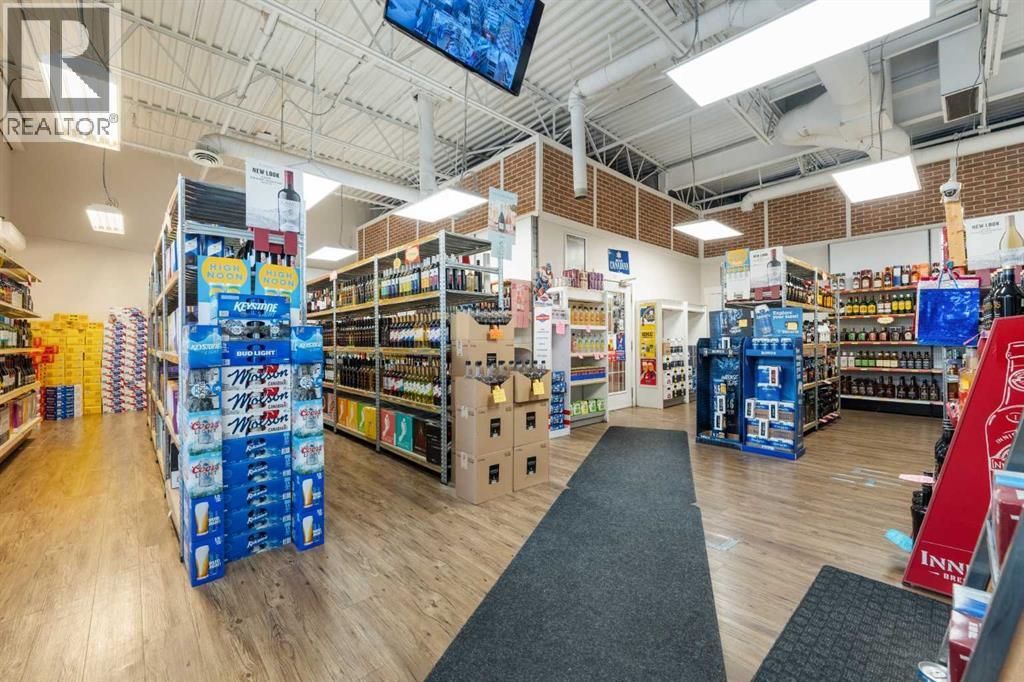
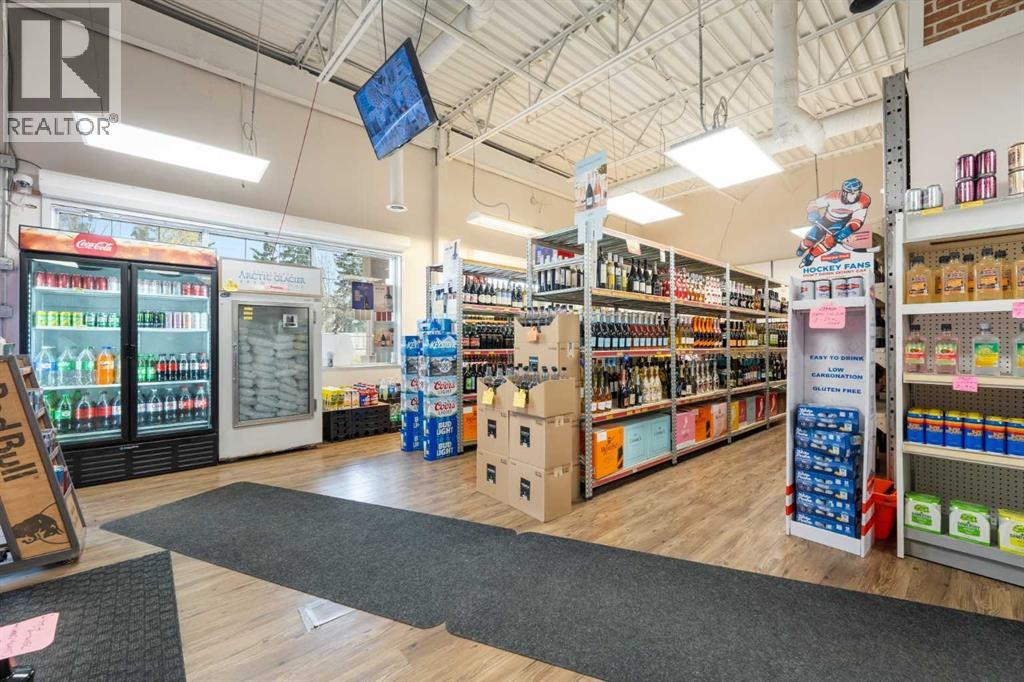
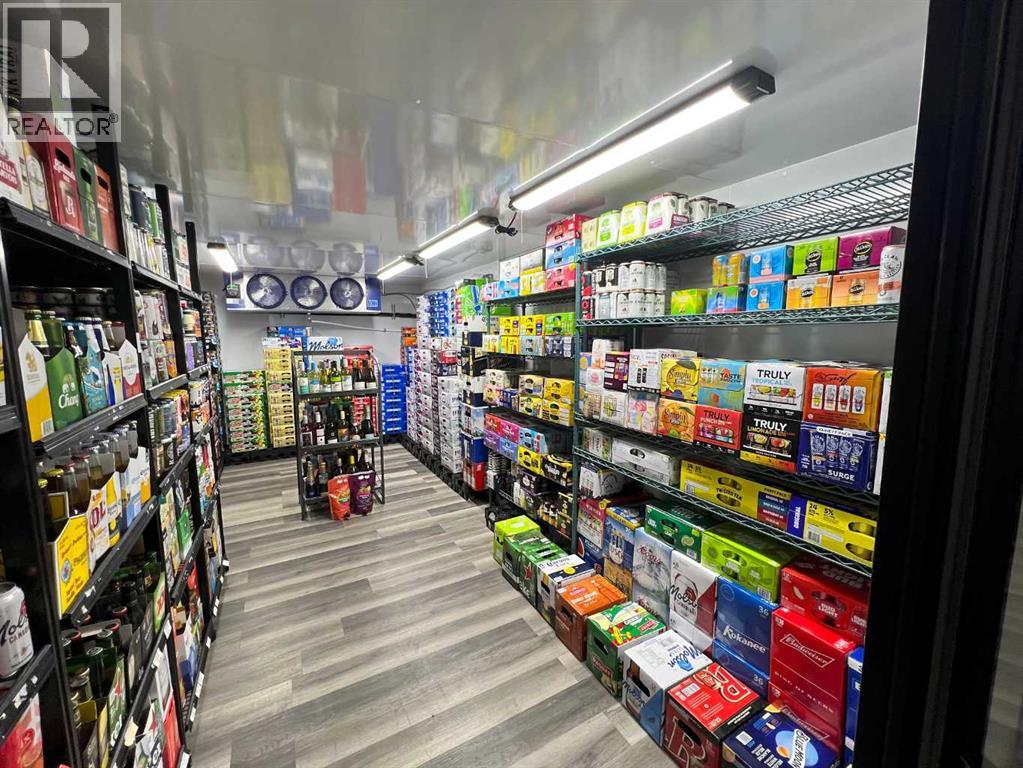
You'll need to carefully examine a detailed asset list. This thorough inventory assessment will provide essential insights into the store's current stock levels, product mix, and overall value.
In addition, a detailed equipment evaluation is essential to determine the condition and worth of fixtures, coolers, shelving, and point-of-sale systems. By meticulously reviewing these assets, you'll gain a clearer understanding of the business's operational capacity and potential areas for improvement.
Moreover, this scrutiny will help you identify any outdated or underperforming assets that may require replacement or upgrades soon.
When planning your finances, consider various financing options, such as a higher percentage of financing available for acquisitions, and obtain accurate cost estimates for all aspects of the transaction. Your budget should encompass the following:
Purchase price of the business
Legal and accounting fees
Inventory costs
Licensing and permit fees
Working capital for initial operations
Beyond the acquisition itself, factor in post-completion costs such as renovations, marketing initiatives, and potential staffing changes.
It's essential to have a detailed understanding of your financial obligations to guarantee a smooth changeover and successful operation. Remember that unforeseen expenses may arise, so it's wise to include a contingency fund in your calculations.
This vital step involves deciding between an asset sale or share sale, conducting a thorough business valuation using the income approach with market comparables, and considering industry-specific factors that impact the store's value.
To enhance your process, you may want to consult with experts who can provide insights into strategies to maximize sale value and attract buyers. Additionally, you'll want to address the terms of a training and change agreement to guarantee a smooth handover of operations from the current owner.
Deciding between an asset sale and a share sale is an essential step in your liquor store purchase journey. Each option carries distinct tax implications and affects the ownership structure of your new venture.
Consider the following comparison:
| Aspect | Asset Sale | Share Sale |
| Tax Implications | Potentially lower for buyer | Often preferred by seller |
| Liabilities | Limited to purchased assets | Includes all existing liabilities |
| Complexity | Generally simpler | More complex due diligence |
| Contracts | May require renegotiation | Typically transfer seamlessly |
You can select specific assets through an asset sale and steer clear of unwanted liabilities. However, a share sale offers continuity in business operations and may be more attractive to sellers. Your decision should align with your long-term business goals and risk tolerance.
Carefully weigh the pros and cons of each option, considering factors such as existing contracts, employee relationships, and potential hidden liabilities. Consult with legal and financial advisors to make an informed choice that maximizes your freedom and minimizes potential pitfalls in your new business venture.
This method involves analyzing recently sold businesses like the one you're contemplating, focusing on key valuation metrics including EBITDA multiples. By examining comparable sales, you'll gain insight into current market trends and establish a reasonable price range for the liquor store you're interested in purchasing.
Business Brokers provide invaluable expertise in business valuation, which can enhance your understanding of the liquor store's value for informed judgments.
Considering the industry-specific considerations for liquor store valuation, you'll need to prepare a Conditional Offer to Purchase or a Letter of Intent (LOI) Agreement. This document should reflect your understanding of the unique factors affecting liquor store valuations, including market trends and pricing strategies.
When drafting your offer, consider the store's location, customer demographics, and competitive landscape. Additionally, factor in the potential impact of regulatory changes on the business's future profitability.
For instance, understanding business support services available in Alberta can provide insights into potential funding and mentorship opportunities that may enhance the store's value. Your offer should also address inventory valuation, as liquor stores typically carry substantial stock.
Moreover, consider the store's relationships with suppliers and distributors, as these can greatly influence the business's long-term viability. By incorporating these industry-specific elements into your offer, you'll demonstrate your understanding of the liquor store market and increase your chances of a successful acquisition.

When preparing your Conditional Offer to Purchase or Letter of Intent (LOI) Agreement for a liquor store in Alberta, it's vital to include a thorough Training & Transition Agreement. This essential component guarantees a smooth shift of ownership and operations, safeguarding your investment and future success.
The agreement should outline extensive training programs covering all aspects of the business, from inventory management to regulatory compliance. Additionally, it should detail transfer strategies that allow for a gradual handover of responsibilities and knowledge from the current owner to you.
By incorporating these elements, you'll gain invaluable insights into the store's operations, customer base, and unique challenges. Engaging in a structured training process can greatly enhance your understanding and confidence in managing the business, as highlighted in the Business Buyer Advantage program.
Furthermore, a well-structured agreement can help you maintain continuity in the business, preserving established relationships with suppliers, employees, and patrons. Ultimately, this agreement serves as a foundation for your seamless integration into the Alberta liquor store industry.
Your plan should encompass a thorough overview of the business, including market analysis, financial projections, and operational strategies.
Additionally, consider integrating strategies for employee training & development to enhance staff skills, as this can be a significant asset in the liquor retail industry. When addressing financing options, consider various sources such as bank loans, private investors, or seller financing. Conduct a thorough risk assessment to demonstrate your understanding of potential challenges and mitigation strategies.
Your business plan should include:
Executive summary
Market analysis and competitor research
Marketing and sales strategies
Operational plan and management structure
Financial projections and funding requirements
A well-crafted business plan not only increases your chances of securing financing but also serves as a roadmap for your future success. It demonstrates your commitment and preparedness to potential lenders and partners, ultimately enhancing your credibility as a serious business buyer in the competitive Alberta liquor store market.
Consumer preferences are evolving, with a growing emphasis on craft spirits and local sourcing. Health consciousness is driving demand for lower-alcohol options and organic products. To capitalize on these trends, consider implementing loyalty programs and experiential marketing strategies that resonate with your target audience.
On the supplier side, sustainable packaging is gaining traction, reflecting broader environmental concerns. Additionally, online sales are becoming increasingly important, offering convenience and expanding your potential customer base.
As you navigate these changes, it's essential to adapt your inventory and marketing approaches accordingly.
You'll need to traverse a complex landscape of licensing requirements and compliance regulations to guarantee your business operates legally and ethically. The Alberta Gaming, Liquor and Cannabis Commission (AGLC) oversees these regulations, which are designed to maintain public safety and responsible alcohol consumption.
As a prospective buyer, it's essential to familiarize yourself with:
Liquor store licensing procedures.
Age verification protocols.
Inventory management regulations.
Staff training requirements.
Advertising and promotion guidelines.
Additionally, resources available for small businesses in Alberta can provide valuable insights into traversing these regulatory requirements. It's advisable to consult with legal experts specializing in liquor laws to guarantee you're fully prepared for the regulatory challenges ahead.
As you initiate your journey to acquire a liquor store in Alberta, you're not just purchasing a business, but investing in a lifestyle change. By following these key steps, you'll be well-equipped to navigate the complexities of the acquisition process. Remember, due diligence is paramount, and seeking professional guidance can help you avoid potential pitfalls.
With careful planning and a thorough understanding of the industry, you'll be better positioned to make an informed decision and potentially realize your entrepreneurial aspirations.
Government Resources for Businesses in Alberta
Where can aspiring liquor store owners in Alberta turn for support? The provincial government offers a wealth of resources to assist entrepreneurs in maneuvering the complexities of business ownership.
These include detailed guides on obtaining business permits and accessing government grants. Alberta's Ministry of Jobs, Economy, and Trade provides invaluable support through its various programs and services.
To maximize your chances of success, consider exploring the following government resources:
Industry-specific resources can be a goldmine for aspiring liquor store owners in Alberta. To navigate the complex landscape of liquor store regulations and industry standards, you'll find invaluable support from industry associations.
These organizations offer extensive guides, training programs, and networking opportunities that can greatly enhance your understanding of the market. Moreover, they often provide access to exclusive data on consumer trends, pricing strategies, and operational best practices.
As you begin your journey to acquire a liquor store, consider joining the Alberta Liquor Store Association (ALSA). This organization advocates for private retailers and offers insights into regulatory compliance, business development, and industry innovations.
Additionally, explore resources provided by the Alberta Gaming, Liquor and Cannabis Commission (AGLC), which oversees licensing and enforcement. By leveraging these industry-specific resources, you'll position yourself for success in Alberta's competitive liquor retail market.
A: You're looking at 2-6 months to seal the deal. It's not just about cash; you'll need to navigate financing options and legal considerations. Don't let red tape hold you back—stay proactive, and you'll be pouring drinks sooner.
A: You'll need solid working capital for your liquor store venture. It's essential to plan financially, considering inventory costs, rent, and unexpected expenses. Aim for at least 3-6 months of operating expenses to keep your freedom and business flowing smoothly.
A: When buying an established liquor store in Calgary, Alberta, consider its location, customer base, sales history, and whether it's in a high-traffic area. A well-established liquor store with a steady customer base is often a worthwhile business investment.
A: Yes, some businesses combine liquor and cannabis sales, offering a unique business opportunity. These stores can attract a diverse clientele, making them a potentially profitable business venture.
A: A convenience store typically sells a variety of everyday items like snacks, drinks, and household goods, while a liquor store primarily focuses on selling alcoholic beverages. Some convenience stores may also have a liquor section.
A: Yes, there are liquor stores available for sale in Calgary SE. These stores are often located in high traffic areas, making them a great opportunity for a new owner looking to enter the liquor business.
A: Purchasing a turn key business like a liquor store means you can start operations immediately without significant renovations or setup. It's a convenient option for those looking to dive into a profitable business with minimal hassle.
Data is supplied by CREA who is the owner of the copyright in its MLS®System. Data provided is deemed reliable but is not guaranteed accurate by CREA. The trademarks MLS®, Multiple Listing Service® and the associated logos are owned by The Canadian Real Estate Association (CREA) and identify the quality of services provided by real estate professionals who are members of CREA. Used under license.