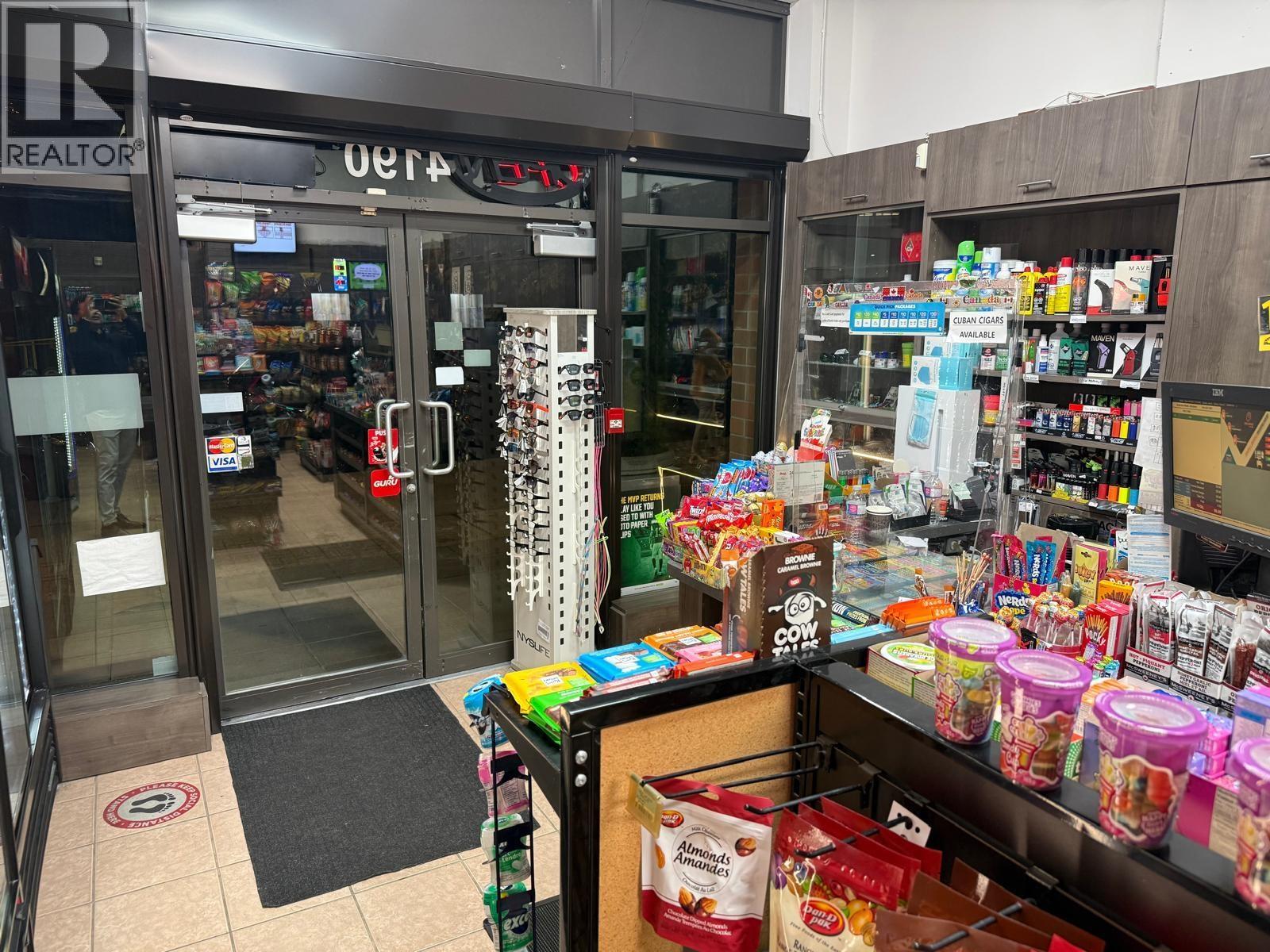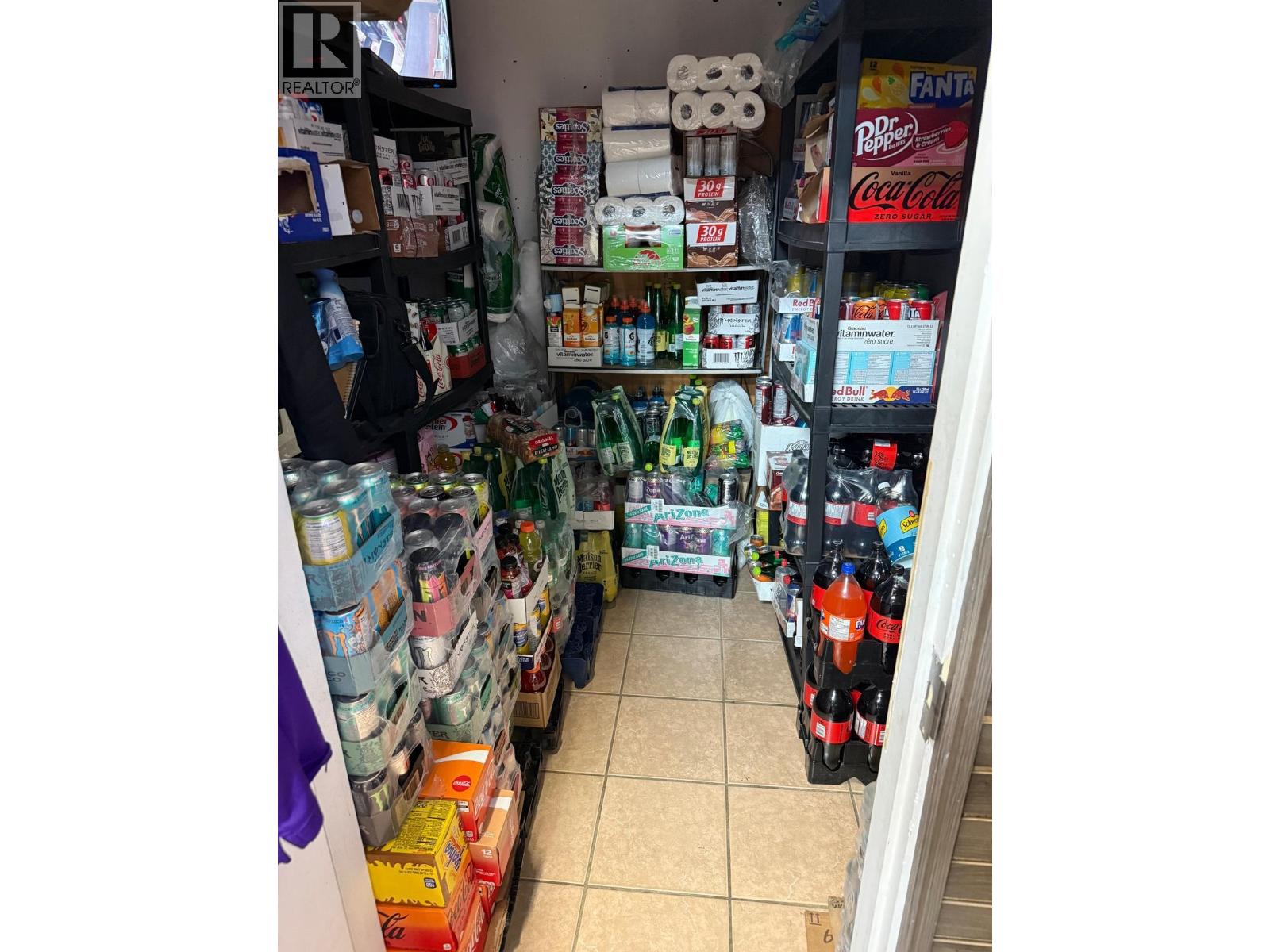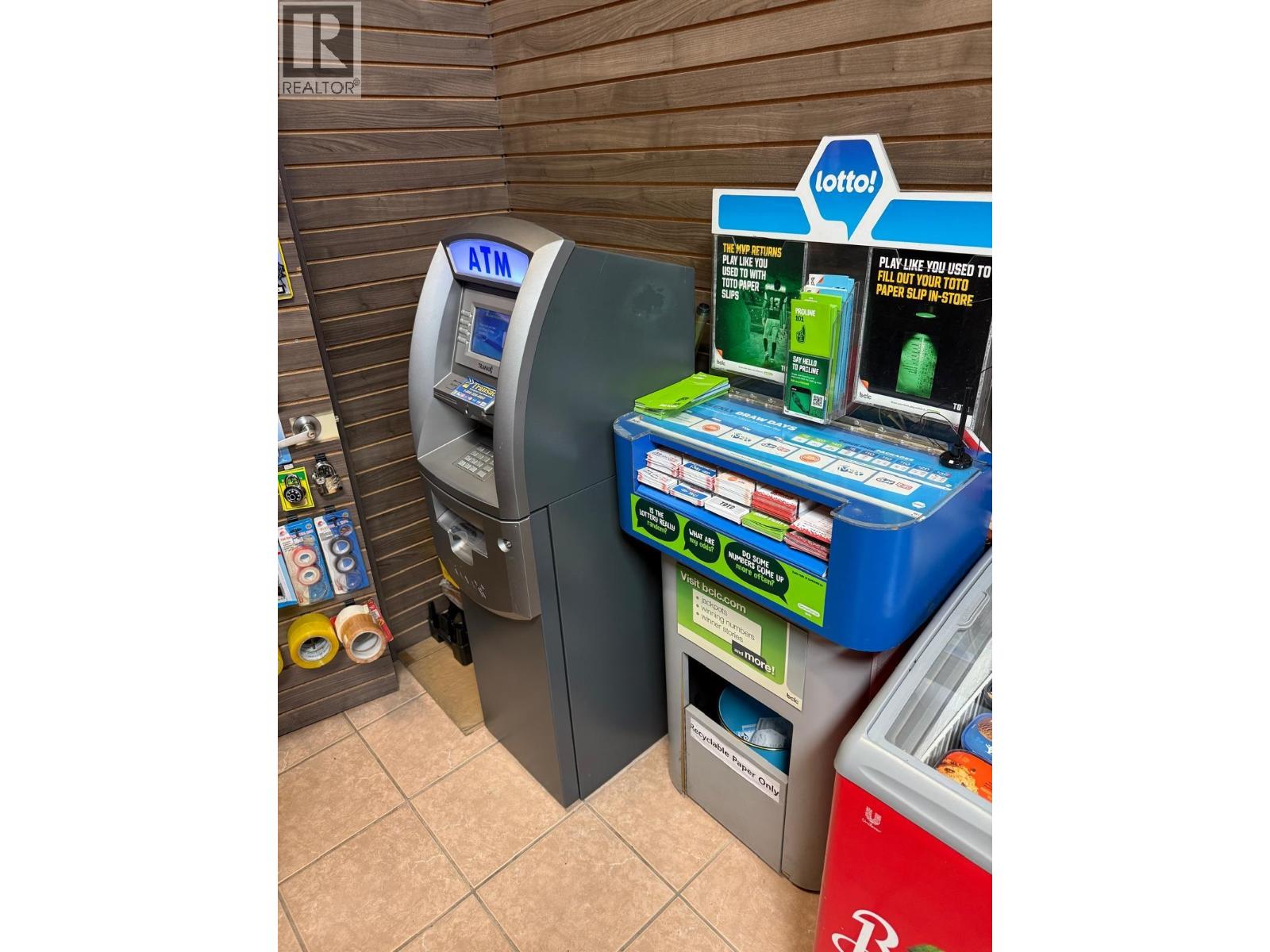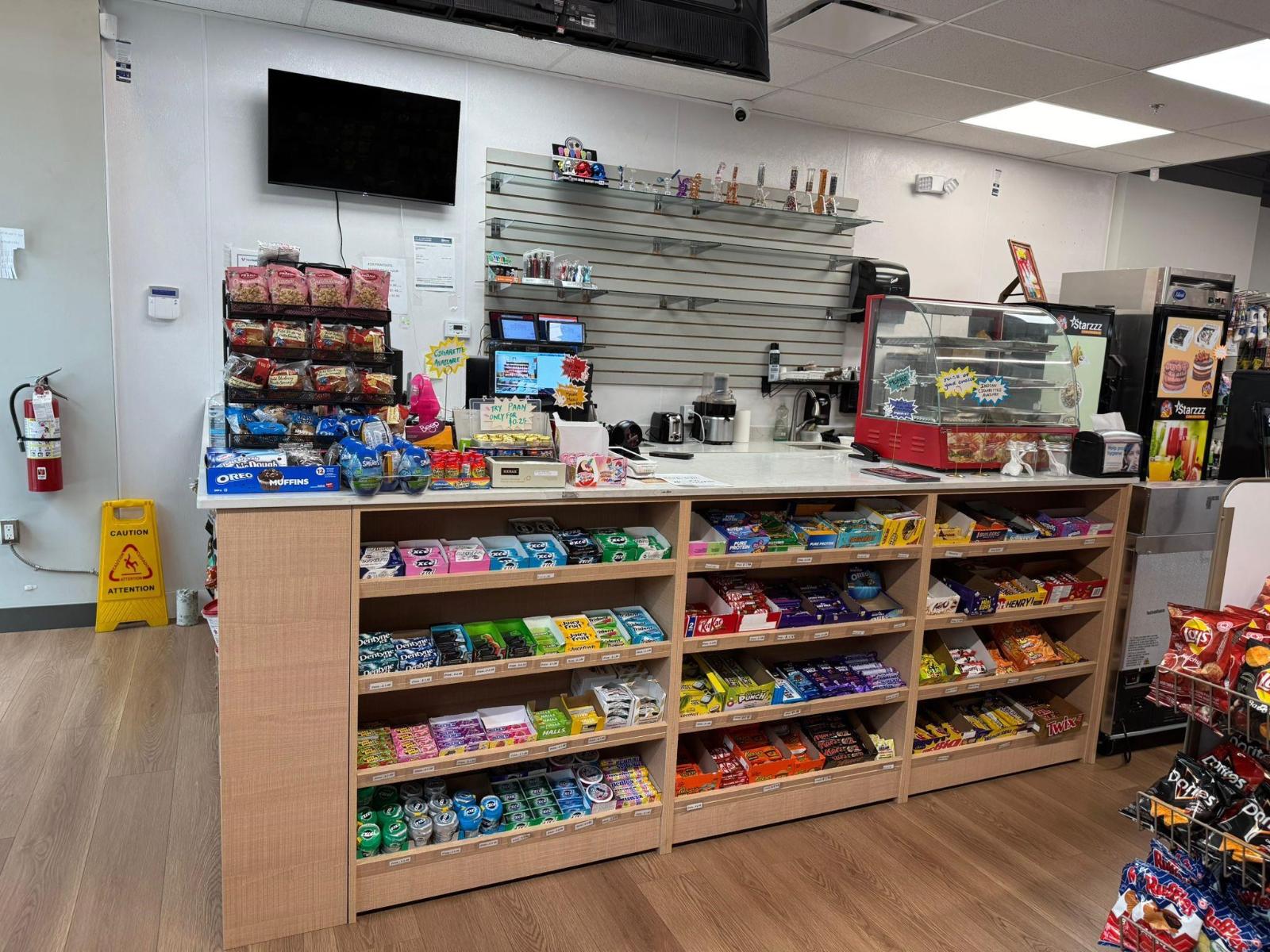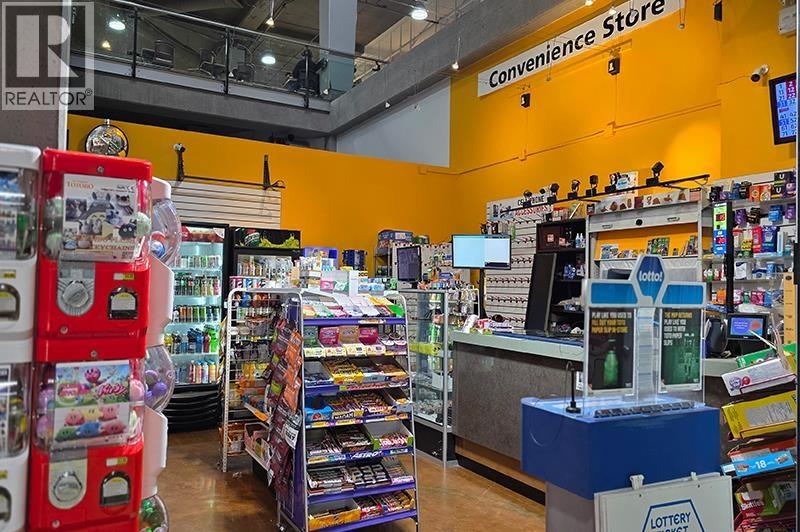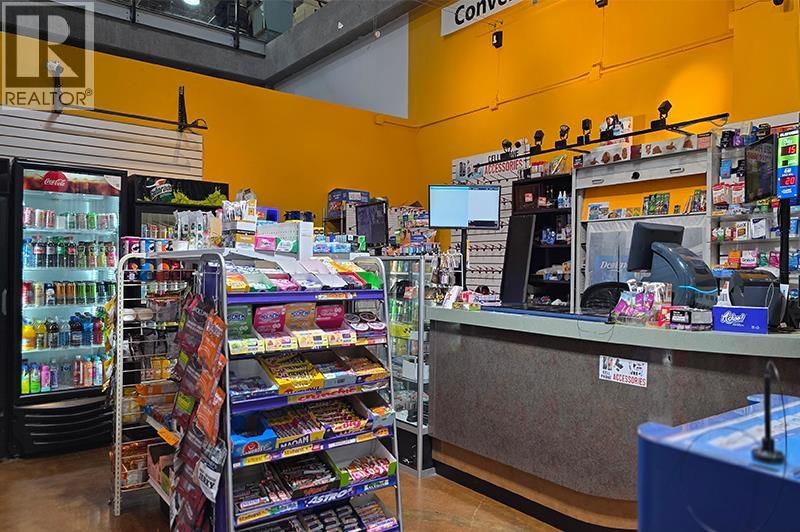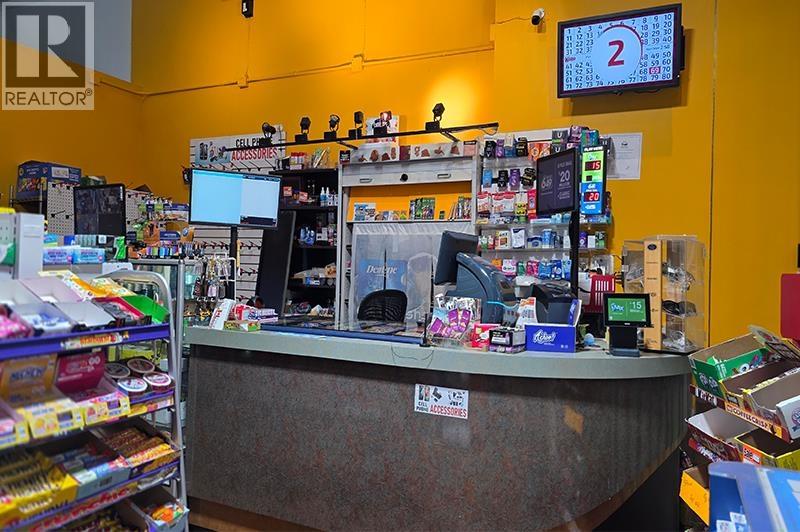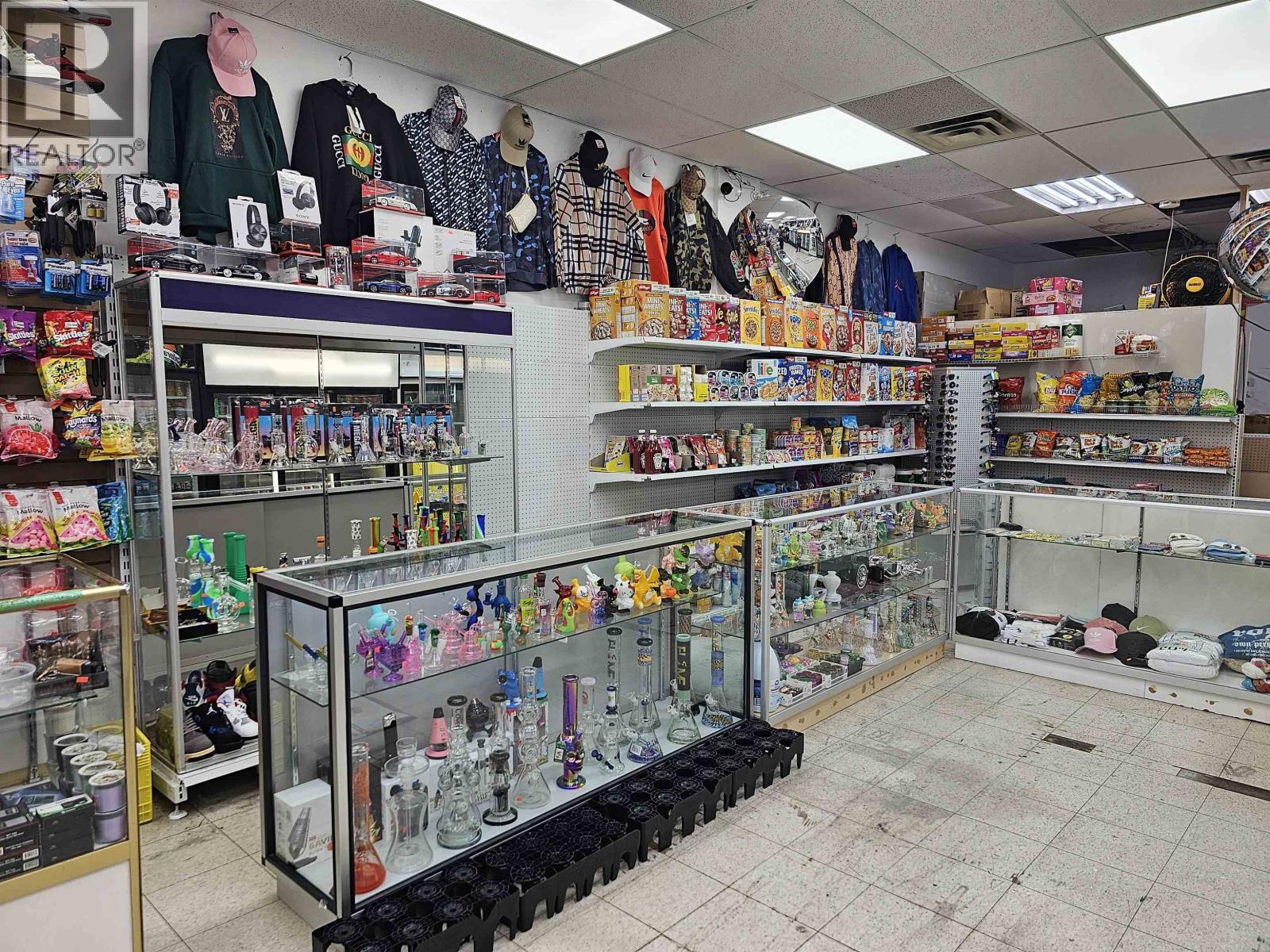
Abbotsford, British Columbia
RE/MAX Performance Realty
Vancouver, British Columbia
Team 3000 Realty Ltd.
Vancouver, British Columbia
Nationwide Realty Corp.
Written by David Turner, M.A.
Opportunity knocks for entrepreneurs looking to buy a convenience stores for sale in bc. Despite industry challenges, convenience stores continue to demonstrate resilience with steady revenue streams and adaptable business models.
Purchasing an established business provides a proven track record, which can mitigate risks associated with new ventures, making it a safer investment choice for aspiring owners. Additionally, the benefits of established relationships within the community can enhance customer retention and operational efficiency, making this a strategically sound investment for those seeking stability in their business endeavours with a proven track record.
When you're considering a convenience store investment in BC, you'll find several compelling advantages that align with current market trends and financial projections:
Consistent cash flow potential with daily transactions and diverse revenue streams.
Lower startup costs compared to other retail businesses, with established locations available.
Flexibility to adapt inventory and services based on local demographic needs.
Strategic opportunities to implement modern payment systems and delivery services.
While the industry shows modest growth at 0.8%, savvy operators can maximize profitability through operational efficiency, strategic product selection, and the implementation of digital solutions that enhance customer experience and streamline inventory management.
It is crucial to weigh various factors carefully before making your investment.
|
Aspect |
Advantages |
Disadvantages |
|
Operations |
Daily cash flow |
Long operating hours |
|
Market |
Established customer base |
High competition |
|
Location |
High foot traffic potential |
Rising lease costs |
|
Products |
Multiple revenue streams |
Thin profit margins |
|
Management |
Simple business model |
Employee turnover |
The decision to purchase a convenience store requires careful examination of operational demands against potential returns. While you'll benefit from consistent demand for everyday items and the opportunity to build community relationships, you'll need to navigate challenges such as inventory management and shifting consumer preferences.
Read more
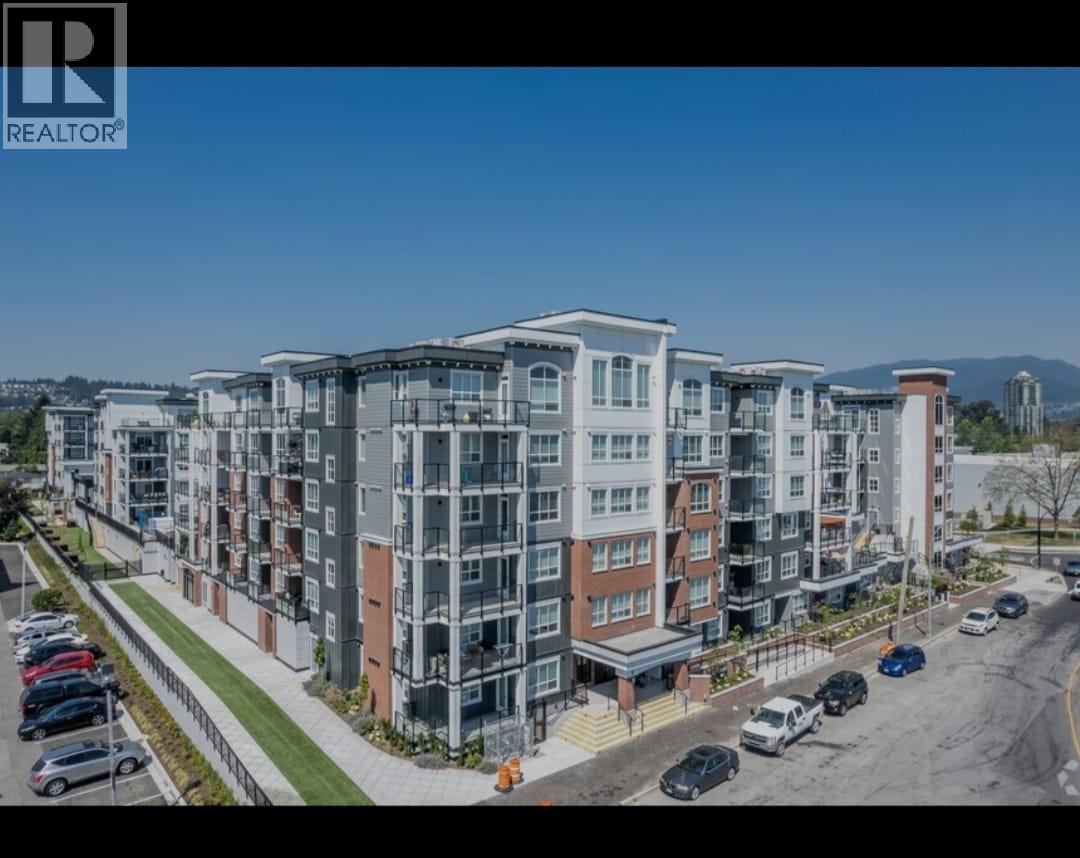
Understanding current market dynamics can shape your success as a convenience store owner in BC.
Recent retail innovations indicate a growing focus on enhancing customer experience, which can be a significant factor in attracting and retaining customers. You'll need to adapt to these changes while maintaining strong supplier relationships to guarantee your store's viability.
The data suggests several key trends you'll want to take into account when entering this market:
Consumer preferences are shifting away from traditional convenience store staples like tobacco, requiring diversification into new product categories.
Competition from larger retailers is intensifying, making location and unique value propositions essential.
Distribution patterns closely follow population density, highlighting the importance of strategic site selection.
Supplier relationships are becoming more pivotal as margins tighten, and theproduct mix evolves.
Focus on building strong supplier networks, adapting your product mix to changing consumer demands, and leveraging your store's convenience factor to maintain competitiveness in this dynamic market.
Define Your Convenience Store Business Acquisition Criteria
Consider current market trends while evaluating potential stores and assess various financing options that align with your investment capacity.
|
Criteria Element |
Key Considerations |
|
Location |
High-traffic areas, neighborhood demographics, competition density |
|
Purchase Price |
Down payment ability, available financing options, ROI potential |
|
Store Size |
Square footage, storage capacity, expansion possibilities |
|
Revenue Range |
Annual sales volume, profit margins, growth trajectory |
|
Operations |
Hours of operation, staffing requirements, inventory management |
When defining your criteria, evaluate both the store's current performance and its potential for growth. Your criteria should also account for whether you're seeking an independently owned store or a franchised operation, as each comes with distinct advantages and operational requirements.
When purchasing a Convenience Store for Sale in BC, four key professionals should form your advisory team: a business broker to source opportunities, a lawyer to handle legal documentation, an accountant to review financials, and a lender to arrange financing.
|
Professional |
Key Responsibilities |
|
Business Broker |
Sources listings, negotiates deals, manages transaction process |
|
Lawyer |
Reviews contracts, conducts due diligence, guarantees legal compliance |
|
Accountant |
Analyzes financials, assesses tax implications, validates revenue claims |
|
Business Lender |
Evaluates loan options, structures financing, assesses risk |
|
Insurance Agent |
Reviews coverage needs, identifies liability risks, recommends policies |
Your advisory team should have experience specific to convenience store acquisitions in BC's market. While market competition remains high in the convenience store sector, working with knowledgeable professionals will help you identify viable opportunities and avoid potential pitfalls.
Begin by mapping out existing convenience stores, supermarkets, and gas stations within your target location's 3-5 kilometre radius. You'll need to evaluate their product mix, pricing strategies, operating hours, and unique selling propositions to identify potential competitive advantages.
You'll want to assess their strengths and weaknesses, particularly in high-margin categories like prepared foods and beverages.
Don't forget to analyze their digital presence, delivery services, and loyalty programs, as these elements increasingly influence customer retention in today's convenience store sector.
When you've narrowed down your options, arrange meetings with sellers through proper channels, typically via their broker or legal representative.
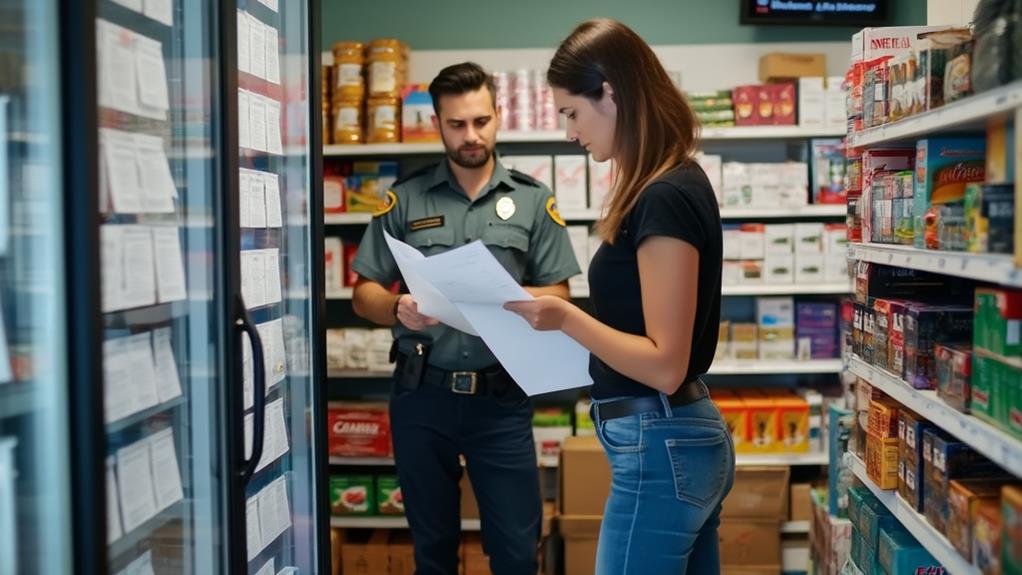
During these meetings, you'll want to ask detailed questions about the store's operations, staff, supplier relationships, and any challenges they've faced. Remember to maintain confidentiality throughout this process by signing non-disclosure agreements before accessing sensitive business information.
Be prepared to discuss your background, financial capacity, and vision for the store's future to establish credibility with the seller.
Your due diligence process should incorporate obtaining a professional business valuation, which will help determine a fair purchase price based on the store's financial performance and market conditions, making strategic planning essential.
You'll need to analyze at least three years of financial statements to identify revenue trends and key financial metrics that indicate the store's true performance. Review the income statements, balance sheets, and cash flow statements to understand the business's financial health and potential risks.
|
Financial Statement |
What to Analyze |
|
Income Statement |
Monthly revenue patterns, gross margins, operating expenses |
|
Balance Sheet |
Inventory levels, equipment value, outstanding debts |
|
Cash Flow |
Working capital needs, seasonal fluctuations |
|
Tax Returns |
Verify reported income, identify discrepancies |
When examining these documents, you'll want to verify that all financial information aligns with the seller's claims. Pay particular attention to inventory turnover rates, profit margins across different product categories, and any significant changes in revenue or expenses.
Consider hiring a qualified accountant who can help spot red flags and validate the financial data.
For leased properties, pay special attention to terms including lease duration, renewal options, rent escalation clauses, and any restrictions on business operations or modifications to the space.
If the property is included in the sale, you'll want to conduct a thorough title search to verify ownership, identify any liens or encumbrances, and confirm zoning compliance for convenience store operations.
It's vital to review property tax assessments, utility costs, and maintenance responsibilities, as these can greatly impact your operating expenses. Additionally, consider having a professional building inspection to identify any structural issues or needed repairs that could affect your investment decision.
Don't forget to investigate whether there are any environmental concerns or outstanding compliance issues that could create future liability.
When conducting your asset valuation, you'll need to carefully examine both tangible and intangible assets to develop accurate financial forecasting models.
|
Asset Category |
Inspection Points |
Valuation Impact |
|
Equipment |
Age, condition, maintenance records |
Direct replacement cost |
|
Inventory |
Stock levels, turnover rates, expiry dates |
Working capital needs |
|
Fixtures |
Quality, modernization needs, compliance |
Setup investment |
|
Technology |
POS systems, security cameras, software |
Operational efficiency |
|
Goodwill |
Brand value, customer base, location |
Future earning potential |
Focus particularly on high-value equipment like refrigeration units, security systems, and POS terminals. Don't overlook seemingly minor assets like shelving units and display cases, as replacement costs can quickly accumulate.
Understanding the complete asset picture will strengthen your negotiating position and help you determine a fair purchase price that aligns with market values.
When evaluating financing options, you'll need to account for the purchase price, legal fees, broker commissions, and potential renovation costs. Additionally, your budget should incorporate post-acquisition management expenses, including inventory restocking, employee training, and system upgrades that might be necessary to align with your business vision.
It's also beneficial to take into account potential lower credit card fees that can impact your operational costs moving forward.
Your thorough budget should factor in these essential components:
Down payment requirements from various lending sources, including traditional banks, BDC loans, or private lenders.
Working capital reserves to cover at least 3-6 months of operational expenses.
Insurance costs, including property, liability, and worker's compensation coverage.
Emergency funds for unexpected repairs or equipment replacement.
Think about maintaining a detailed spreadsheet that tracks both fixed and variable costs, ensuring you're prepared for the financial responsibilities of store ownership.
It's important to work with your accountant to develop realistic projections and maintain adequate cash flow during the changeover period.
A qualified business broker or valuator will employ three complementary valuation methods to determine your target store's worth.
They'll start by calculating multiples of EBITDA (typically 3-4x) or Seller Discretionary Earnings (2-3x for smaller transactions), which provides a baseline value based on the store's earning capacity.
This initial assessment is then validated through an asset-based approach, examining both tangible assets and intangible elements like location value and customer relationships. Finally, they'll analyze recent comparable convenience store sales in BC to guarantee the proposed value aligns with current market conditions.
When preparing your convenience store purchase offer, you'll need to carefully weigh the tax and liability implications of structuring it as either an asset sale or share sale while also exploring opportunities for seller financing to optimize your cash flow.
Your offer should thoroughly address the transfer of all necessary operating licenses and permits, ensuring compliance with BC regulations and maintaining business continuity throughout the ownership shift.
Additionally, you'll want to include provisions for an extensive seller training and transition period, which will help you master the store's operations, understand existing vendor relationships, and maintain key customer connections.
The two main approaches to buying a convenience store are through an asset sale or a share sale, each with distinct implications for buyers and sellers. When conducting your market analysis, you'll need to carefully evaluate which structure aligns with your goals, tax situation, and risk tolerance.
This decision becomes particularly significant if you're exploring franchise opportunities or planning to rebrand the store.
|
Aspect |
Asset Sale vs Share Sale |
|
Liability |
Assets: Limited historical liability |
|
Tax Impact |
Assets: Higher for seller, lower for buyer |
|
Complexity |
Assets: Less complex transfer process |
|
Control |
Assets: Clean slate for operations |
|
Cost |
Assets: Often lower purchase price |
You'll want to consult with your accountant and lawyer to understand the tax implications and liability exposure of each option. Asset sales typically offer more protection against historical liabilities and give you greater flexibility in selecting which assets to purchase, while share sales might preserve valuable contracts and licenses but require more thorough due diligence.
While traditional lenders like banks can provide funding, you shouldn't overlook the potential advantages of requesting partial seller financing. This approach, where the seller acts as a partial lender, often leads to more favourable terms and demonstrates the seller's confidence in the business's continued success.
When exploring seller financing options, you'll want to assess the seller's motivation and flexibility. Many sellers who are enthusiastic to retire or pursue other ventures may be willing to finance 20-30% of the purchase price, particularly if you're making a substantial down payment. .
To structure your request effectively, present a well-researched proposal that outlines your intended down payment, desired seller-financed portion, and proposed repayment terms. Consider suggesting a higher purchase price in exchange for favourable financing terms, as this can make your offer more attractive while providing you with improved cash flow management during the critical shift period.
You'll need to verify that the current owner has maintained compliance with all licensing requirements and permit types while also ensuring these can be successfully transferred to you upon purchase completion.
Understanding the regulatory framework that governs convenience store operations in BC will protect your investment and prevent operational disruptions.
The transfer process often involves multiple governmental agencies and can take several weeks to complete, so it's vital to start this review early in your due diligence process.
Retail Business License from the local municipality.
Tobacco Retail Authorization from the BC Ministry of Health.
Health permits for food handling and storage from the regional health authority.
Lottery retail agreement if the store sells lottery products.
Working with a business lawyer who specializes in retail acquisitions can help you navigate these requirements effectively. They'll assist in reviewing the current permits' status and identifying any potential compliance issues that could affect your purchase decision or require additional investment to resolve.
You'll want to negotiate a thorough seller training period, typically ranging from 2-4 weeks, where the current owner walks you through daily operations, introduces key suppliers, and shares critical business knowledge.
Your transition agreement should clearly outline the seller's post-sale obligations, including specific training hours, accessibility for questions after the training period, and non-compete clauses to protect your investment.
Consider incorporating milestone payments tied to successful knowledge transfer and shift completion. This approach guarantees the seller remains invested in your success while protecting your interests.
Your plan should demonstrate a thorough market analysis of the local convenience store industry, which currently faces both challenges and opportunities in the Canadian market.
While the industry has seen a slight decline over the past five years, understanding the $11.9bn market size and incorporating current trends will strengthen your financing application. Additionally, exploring higher financing percentages can provide you with more capital without diluting ownership stakes.
Consider including these critical elements in your business plan to maximize your chances of securing funding:
Extensive market analysis showing local competition, demographic data, and growth potential in your specific BC location.
Detailed financial projections incorporating industry benchmarks like the average store revenue of $715,300.
Clear outline of various financing options, including traditional bank loans, SBA loans, and seller financing arrangements.
Strategic plan addressing industry challenges such as declining smoking rates and competition from supermarkets.
Include specific strategies for maintaining profitability, considering that 73.5% of convenience stores are currently profitable. Your plan should demonstrate how you'll adapt to changing consumer preferences while maintaining competitive advantages in your local market.
Once your business plan and financing are in place, the final stage of purchasing your convenience store involves executing the deal properly.
The closing process typically involves finalizing purchase agreements, transferring funds through an escrow account, and completing all necessary regulatory paperwork.
You'll need to coordinate with the current owner to establish a handover period where they'll help familiarize you with day-to-day operations, introduce you to key suppliers, and transfer essential business relationships shortly after you take possession.
As you move forward with your convenience store purchase in BC, you'll be entering a resilient industry. By following these detailed acquisition steps, conducting thorough due diligence, and understanding regulatory requirements, you're positioning yourself for success in this $11.9 billion sector.
Remember to leverage available industry resources and professional advisors throughout your journey to store ownership
You'll need to understand and adhere to various municipal, provincial, and federal regulations that govern retail operations while guaranteeing your store maintains proper regulatory compliance throughout its operation.
|
License/Permit Type |
Issuing Authority |
Renewal Period |
|
Business License |
Municipal Government |
Annual |
|
Tobacco Sales Permit |
BC Ministry of Health |
Annual |
|
Food Service Permit |
Health Authority |
Annual |
|
Lottery Retailer License |
BCLC |
3 Years |
The BC government maintains strict oversight of convenience store operations, particularly concerning the sale of age-restricted products like tobacco and lottery tickets. Additionally, you must comply with employment standards, maintain proper business insurance coverage, and follow municipal zoning bylaws.
Several valuable industry resources are available to help BC convenience store owners make informed business decisions and stay competitive. By leveraging extensive market analysis data and industry reports, you'll gain essential insights into consumer trends, revenue patterns, and competitive dynamics within your local market.
Understanding these metrics can greatly impact your store's success and long-term viability in British Columbia's retail landscape.
To stay ahead in this dynamic industry, you'll want to tap into these essential resources:
Market research reports from agencies like IBISWorld and Statistics Canada that provide detailed convenience store industry analysis and forecasts.
BC's Small Business Resource Network, offering free business planning tools and market insights specific to convenience store operations.
Canadian Convenience Stores Association (CCSA) membership, providing industry updates, regulatory information, and networking opportunities.
Local Chamber of Commerce data that delivers targeted demographic information and consumer spending patterns in your area.
These industry resources offer invaluable data-driven insights that you can use to evaluate potential store locations, assess market viability, and develop effective business strategies.
A: You'll need to maintain enough cash reserves to cover about 30-45 days of inventory management needs. For a typical convenience store, that's roughly $40,000-60,000 to guarantee smooth cash flow and stock turnover.
A: British Columbia is bustling with diverse communities and offers a high-traffic environment, especially in areas like Vancouver and Burnaby, making it a prime spot for convenience stores to thrive. The province's vibrant economy and steady flow of tourists and residents contribute to a lucrative business opportunity.
A: Yes, there are well-established convenience stores for sale in Vancouver that enjoy loyal customer bases and are located in prime high-traffic areas, offering a great opportunity to tap into a profitable retail business.
A: When looking to purchase a convenience store in Coquitlam, consider the location's proximity to residential areas, schools, and other businesses. A store located in a high-traffic area with a loyal clientele can be a profitable convenience store opportunity.
A: To find a convenience store for sale in North Vancouver, consider working with local business brokers or searching online marketplaces that specialize in business opportunities. Look for stores that boast a loyal customer base and are situated in high-traffic areas.
A: In a Vancouver location, look for a market convenience store that has a strong presence in a high-traffic area with a diverse product range that meets the needs of both residents and tourists. A store with an established reputation and loyal customer base can be a thriving business opportunity.
A: A downtown convenience store in Vancouver is a good investment due to the constant bustle of both locals and tourists. The high foot traffic ensures a continuous flow of customers, making it a potentially lucrative business opportunity.
A: Yes, Convenience Store for Sale in BC offers unique convenience store opportunities, such as stores that might be combined with other profitable retail businesses like a grocery store or a liquor store, often located in prime areas like downtown or close to schools, making them rare chances to own a thriving business.
Data is supplied by CREA who is the owner of the copyright in its MLS®System. Data provided is deemed reliable but is not guaranteed accurate by CREA. The trademarks MLS®, Multiple Listing Service® and the associated logos are owned by The Canadian Real Estate Association (CREA) and identify the quality of services provided by real estate professionals who are members of CREA. Used under license.