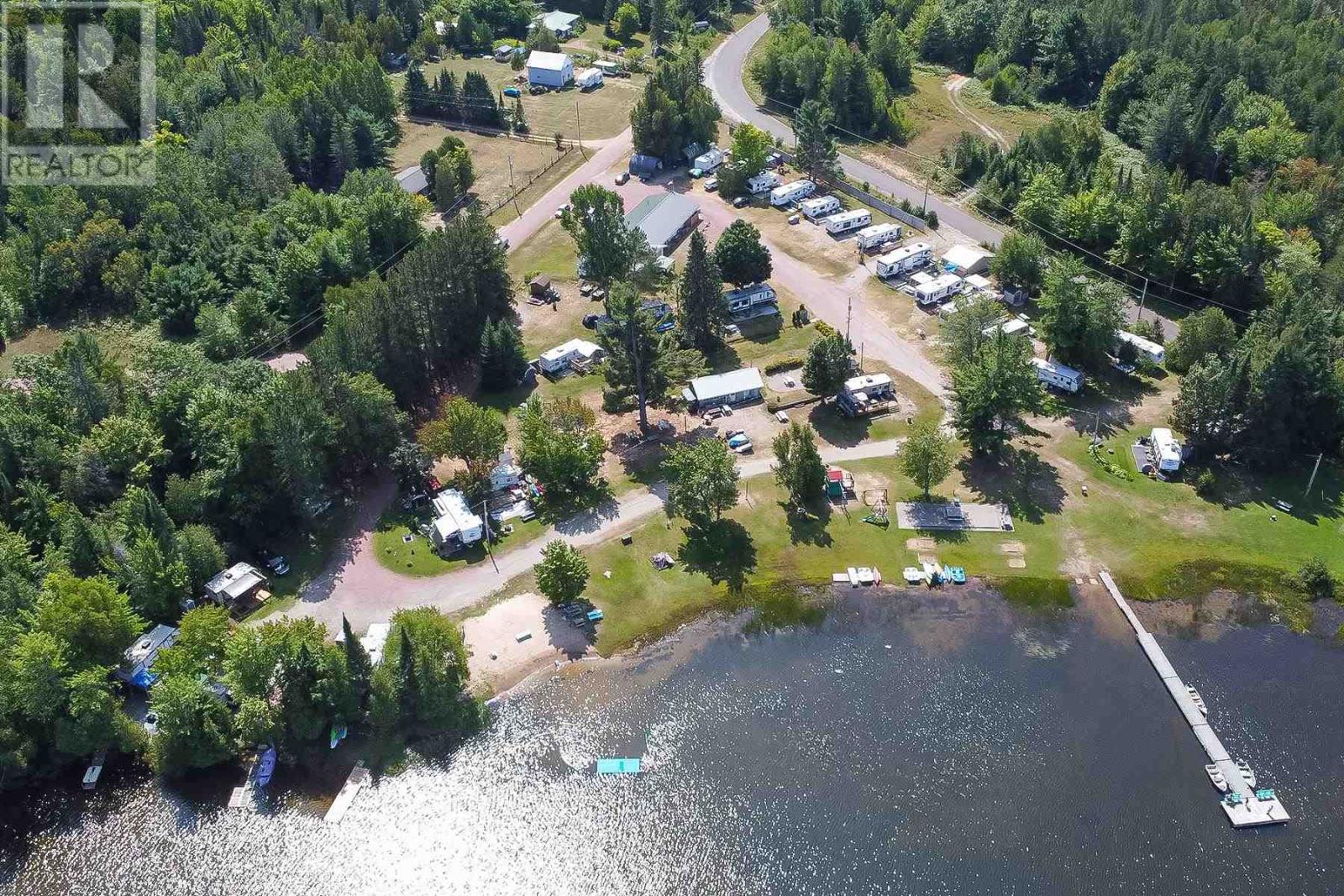
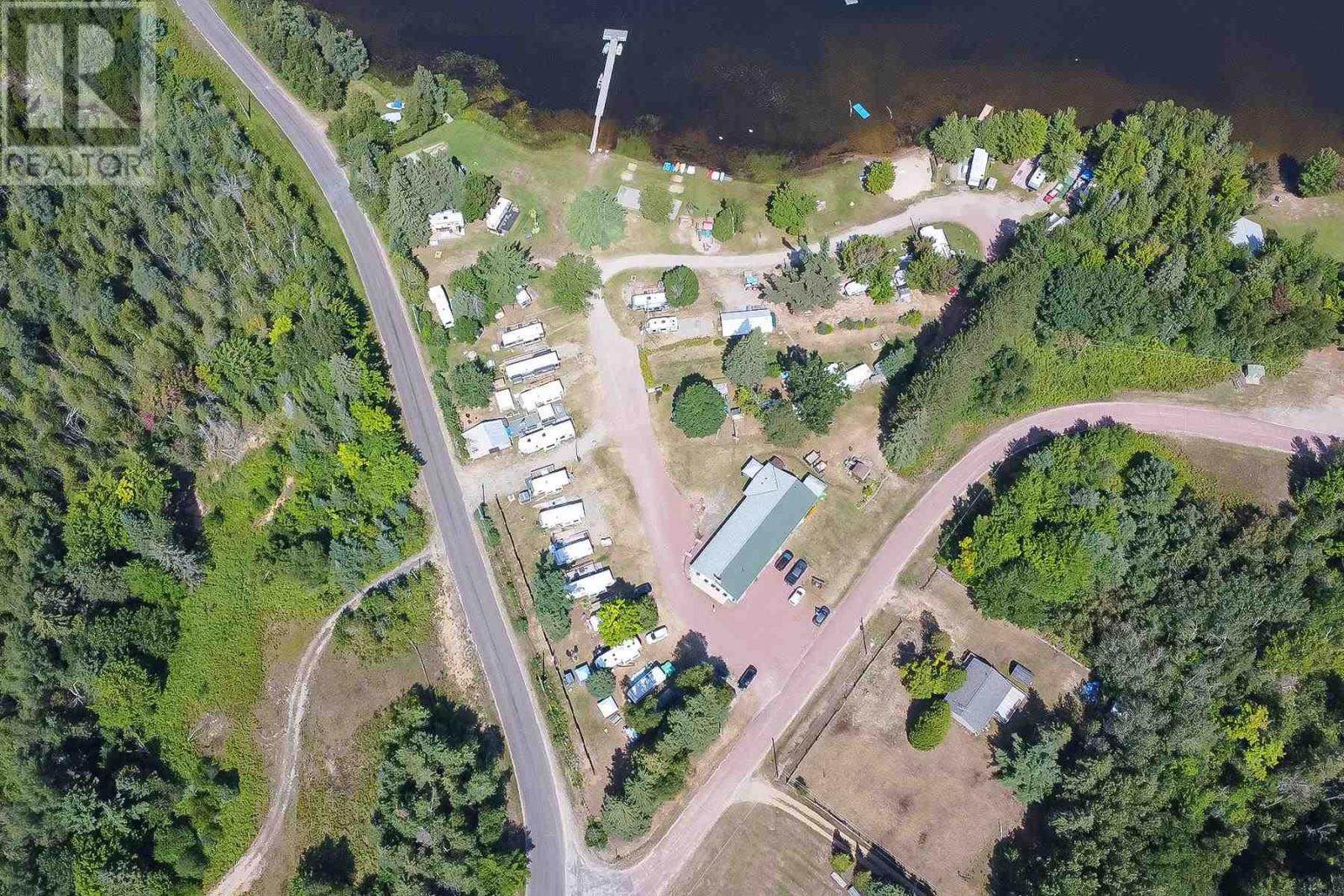
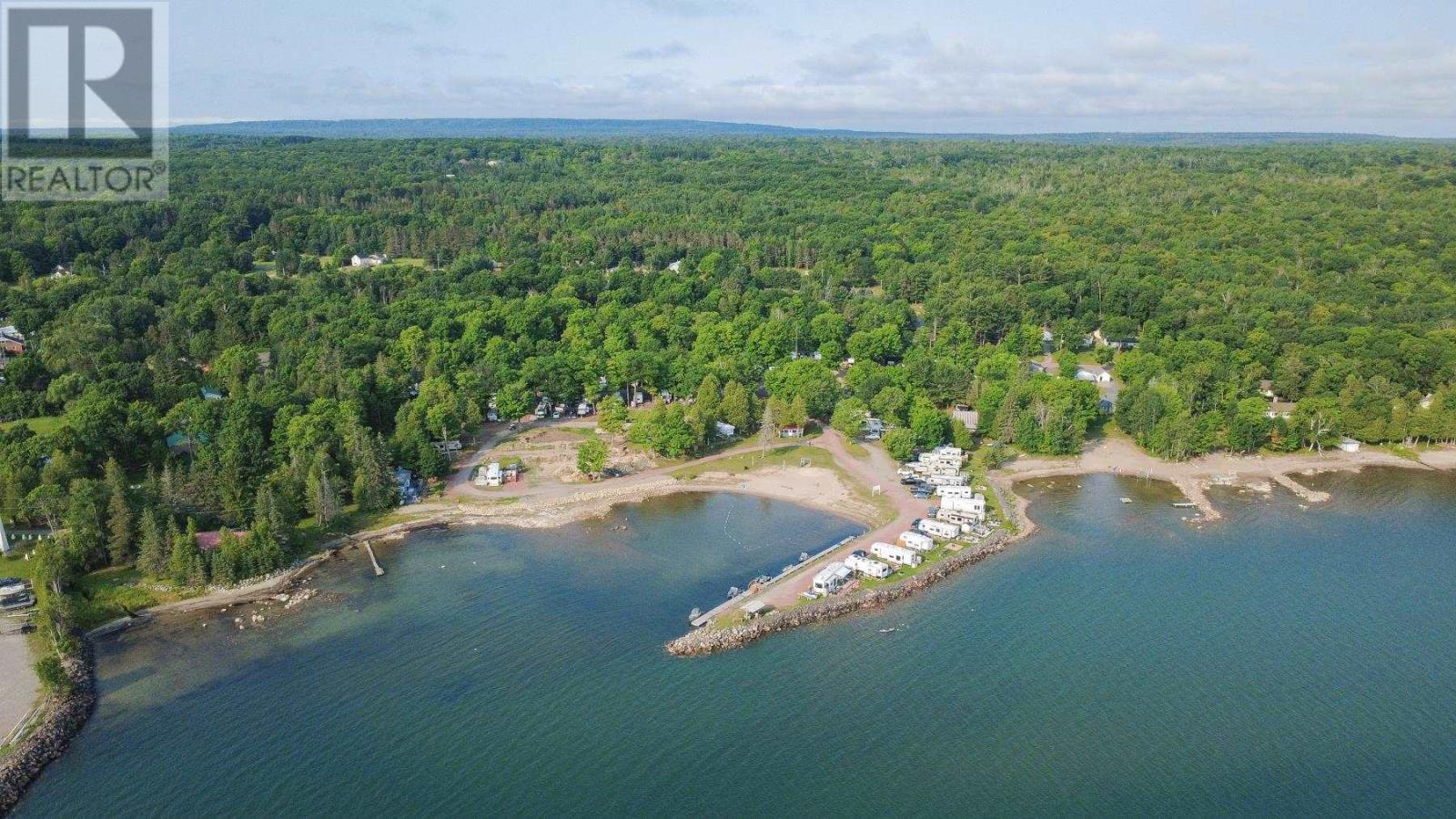
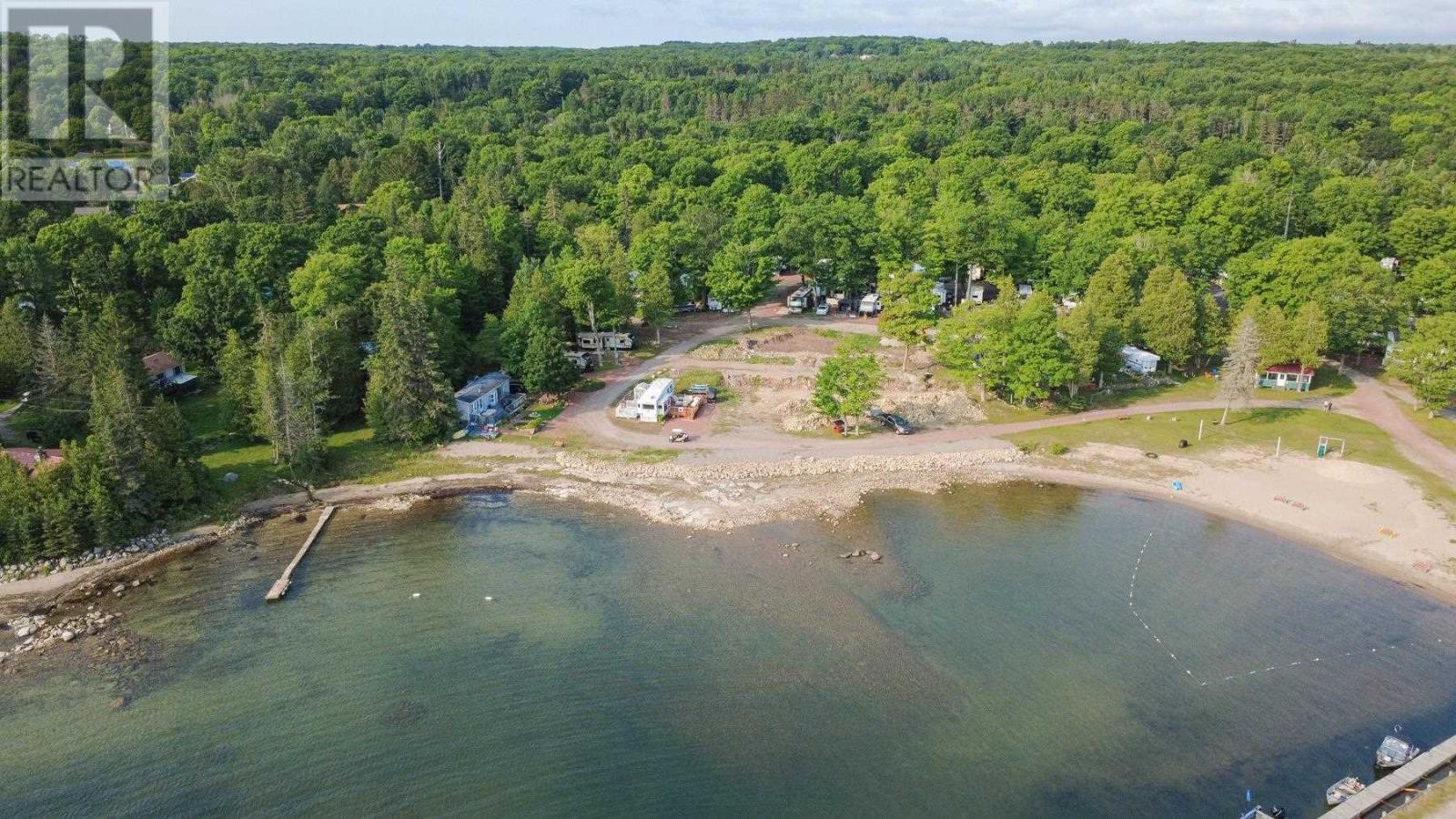
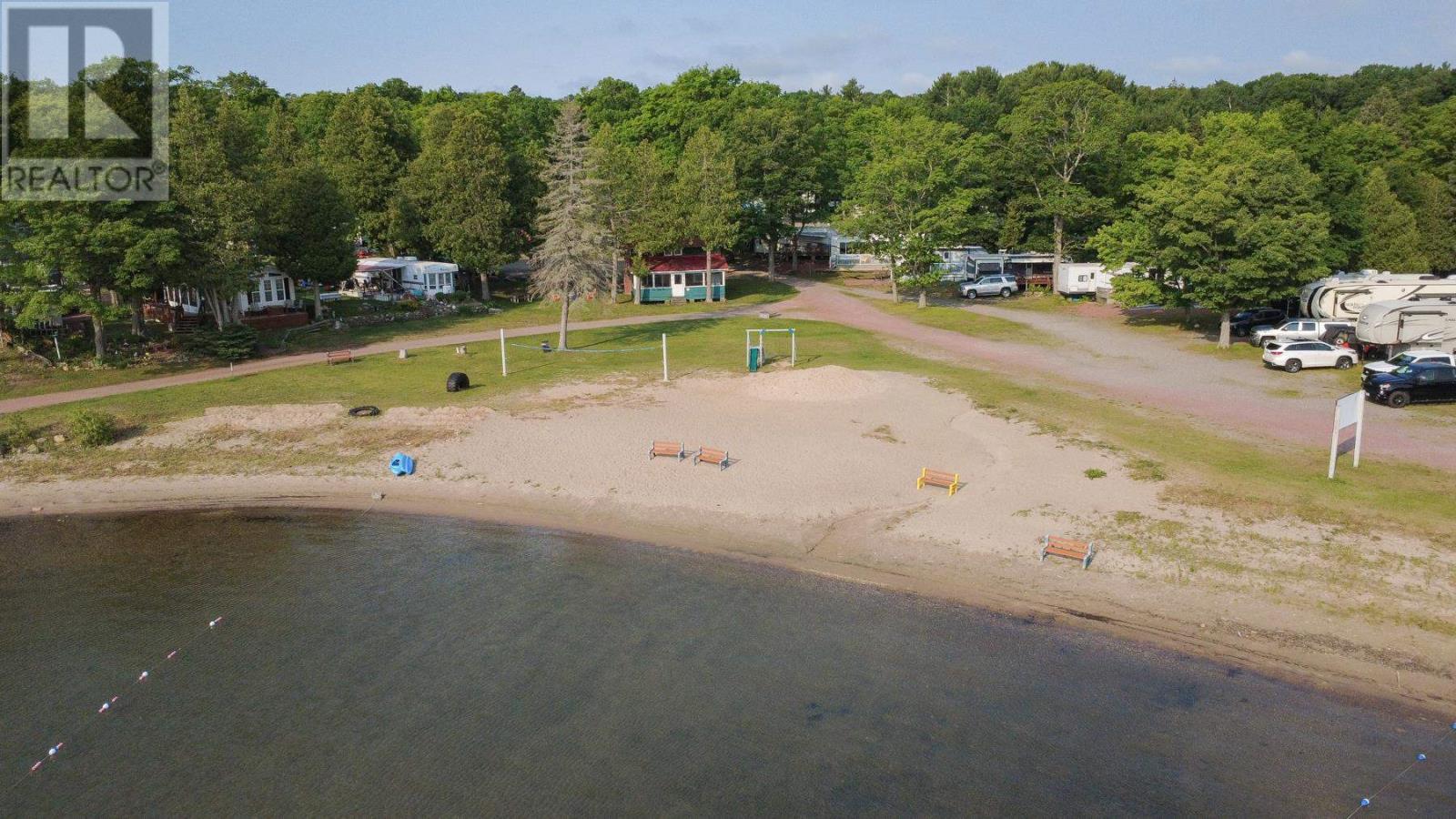
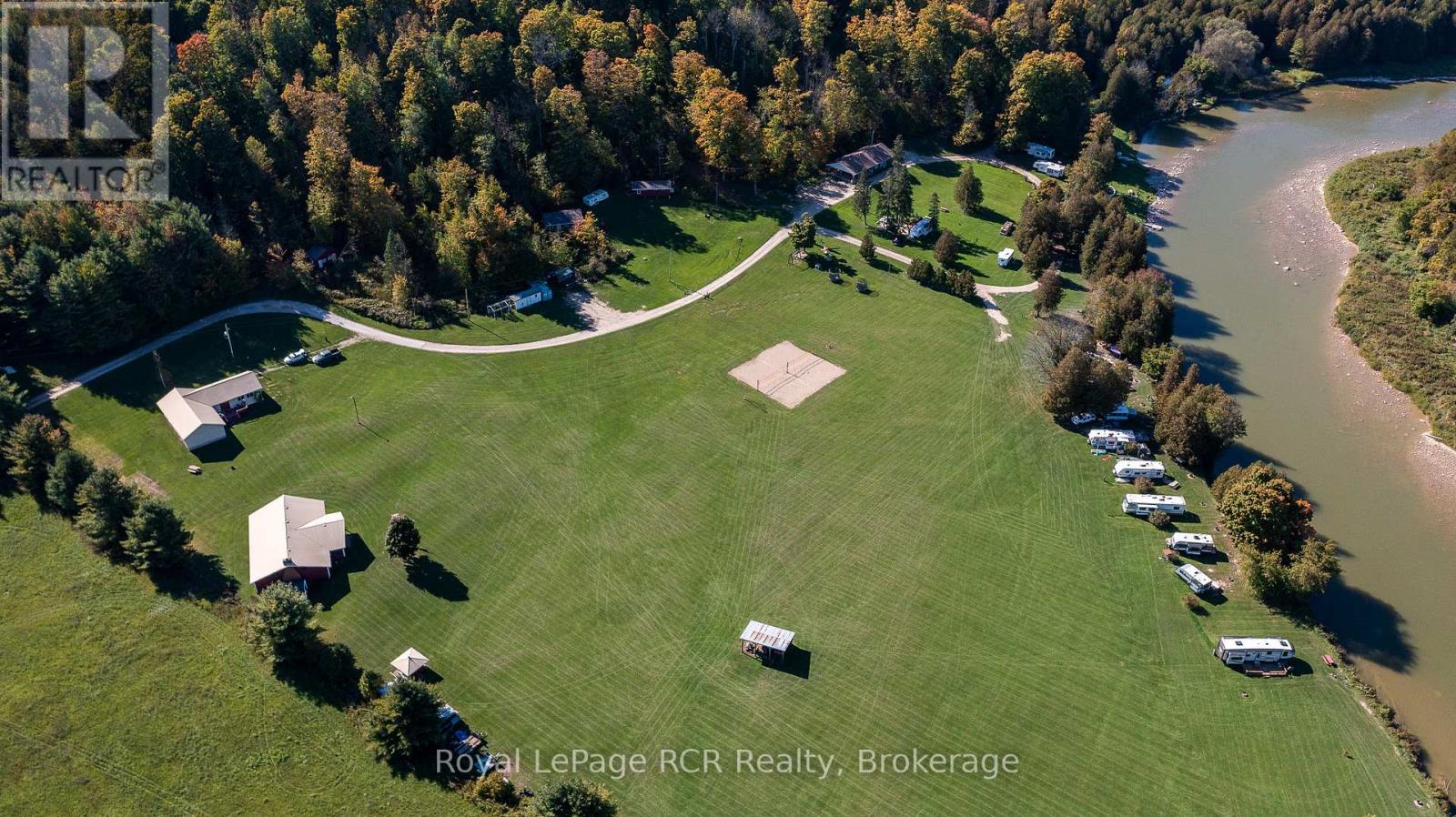
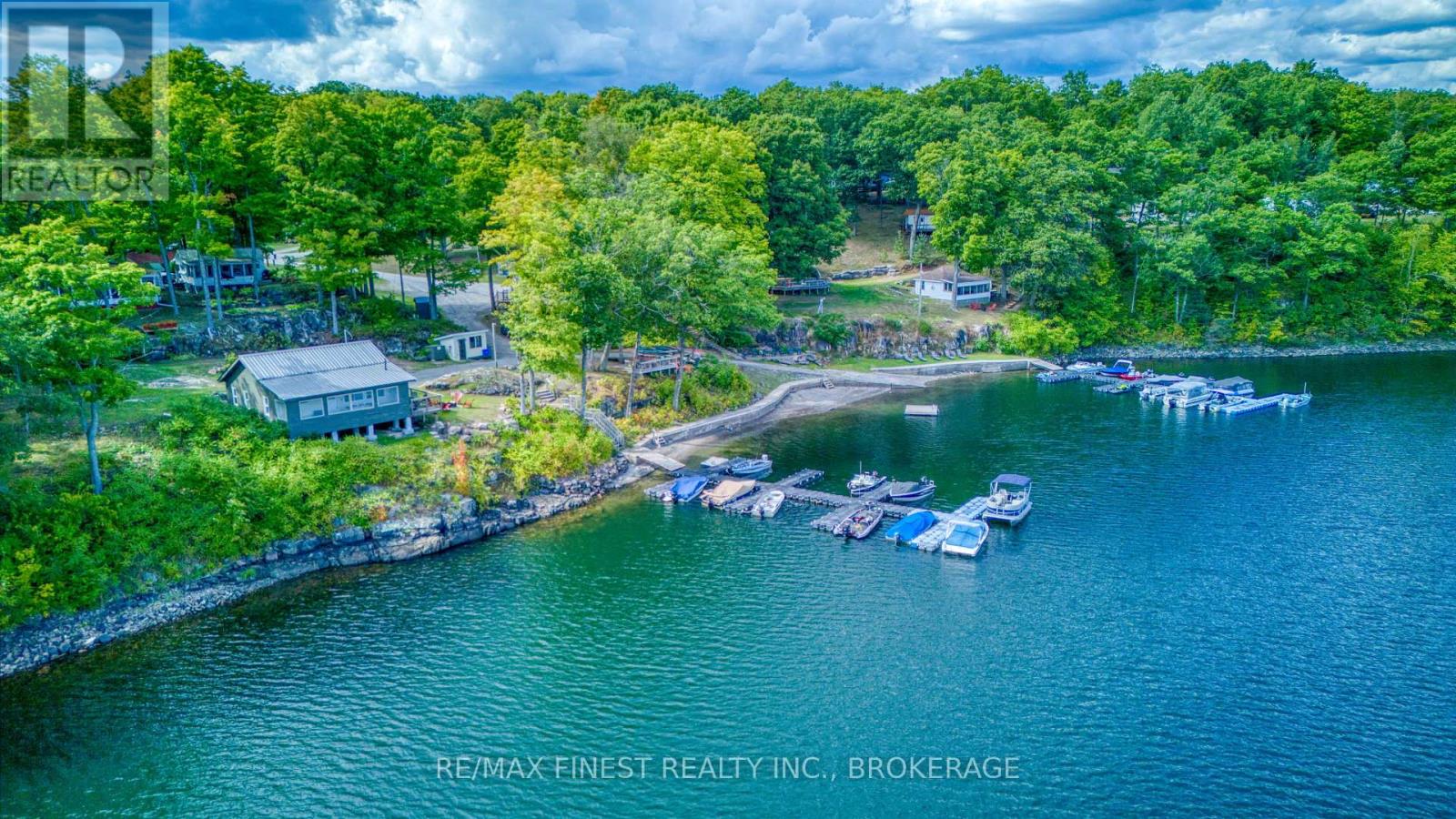
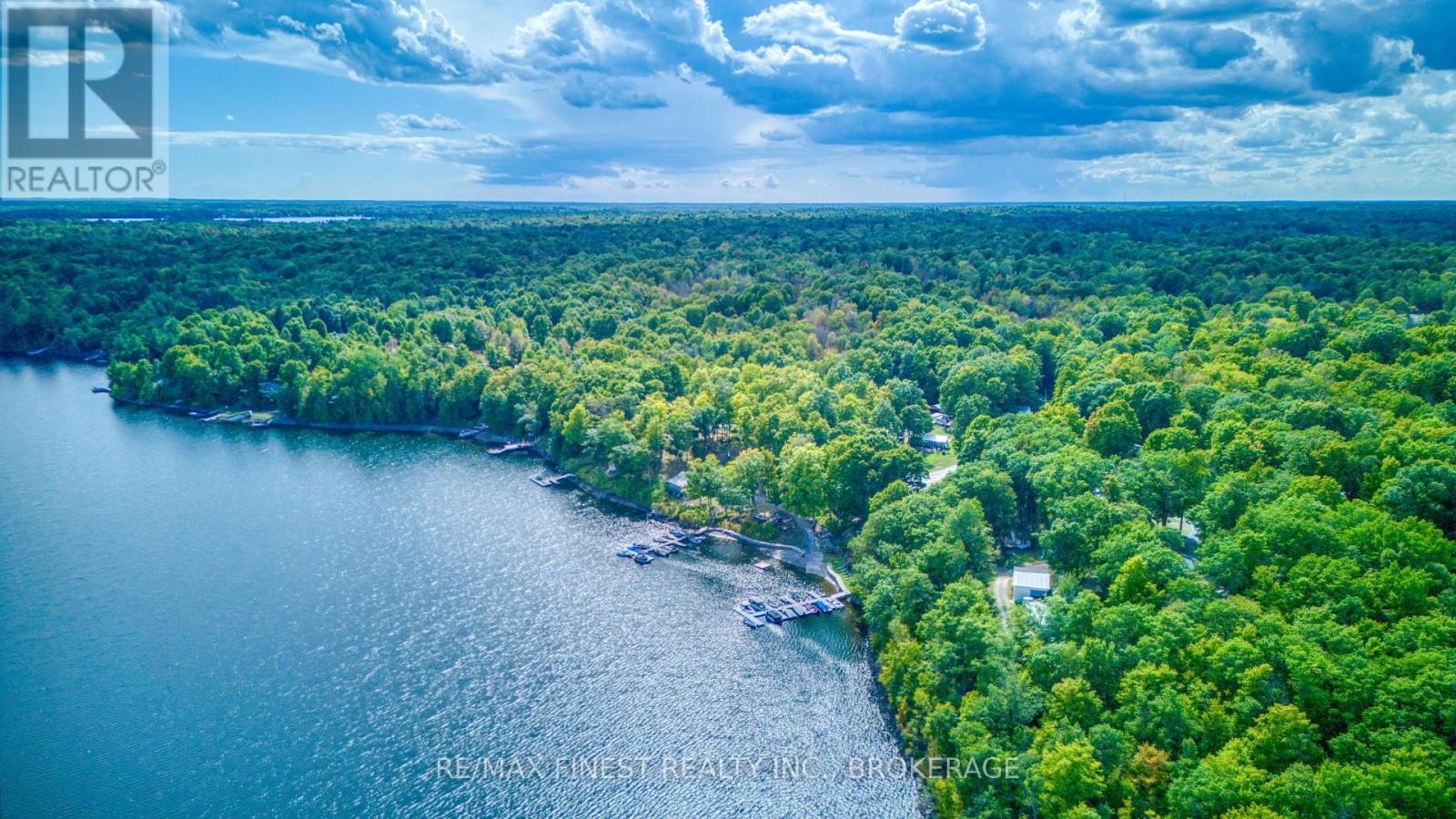
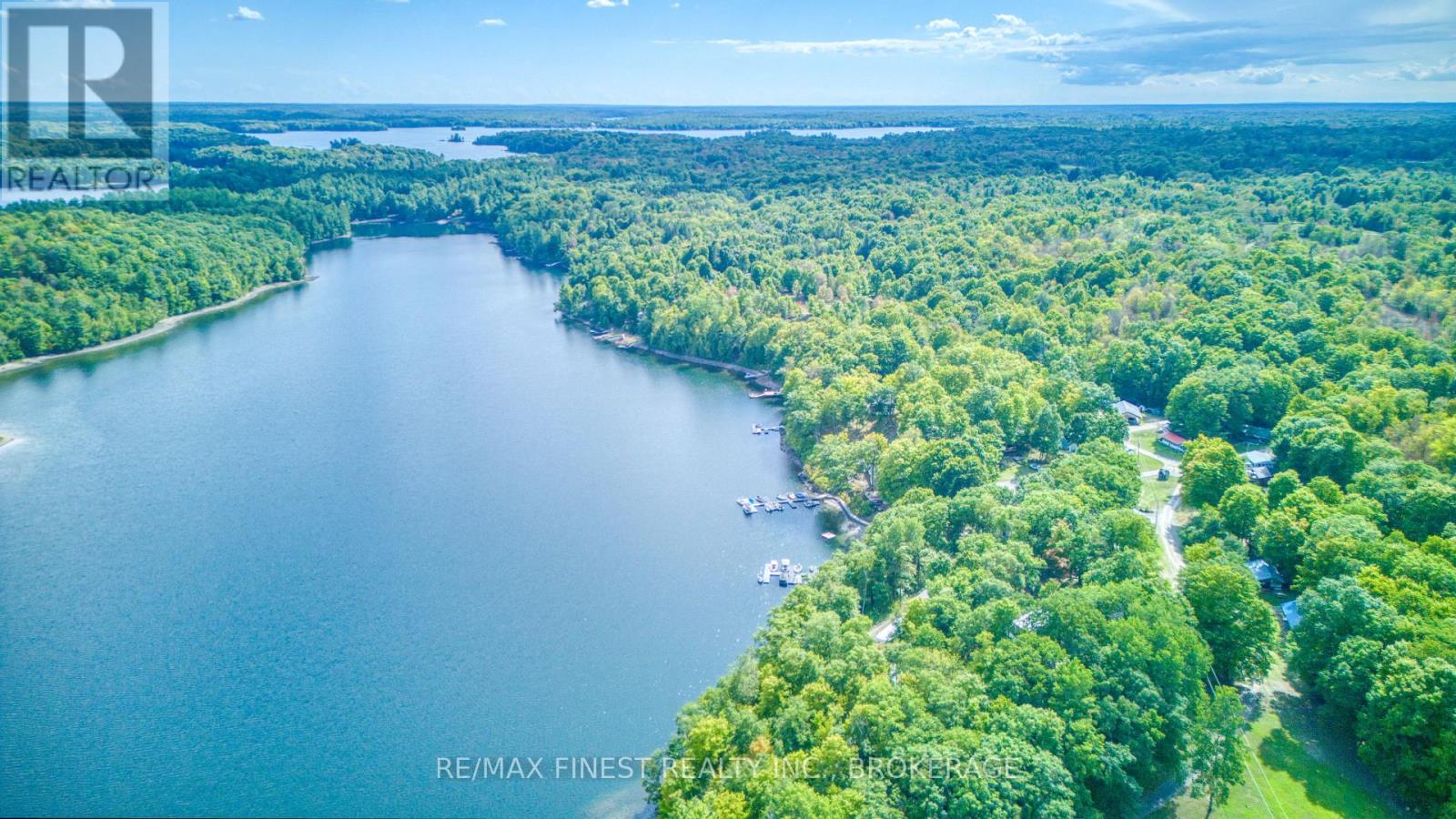
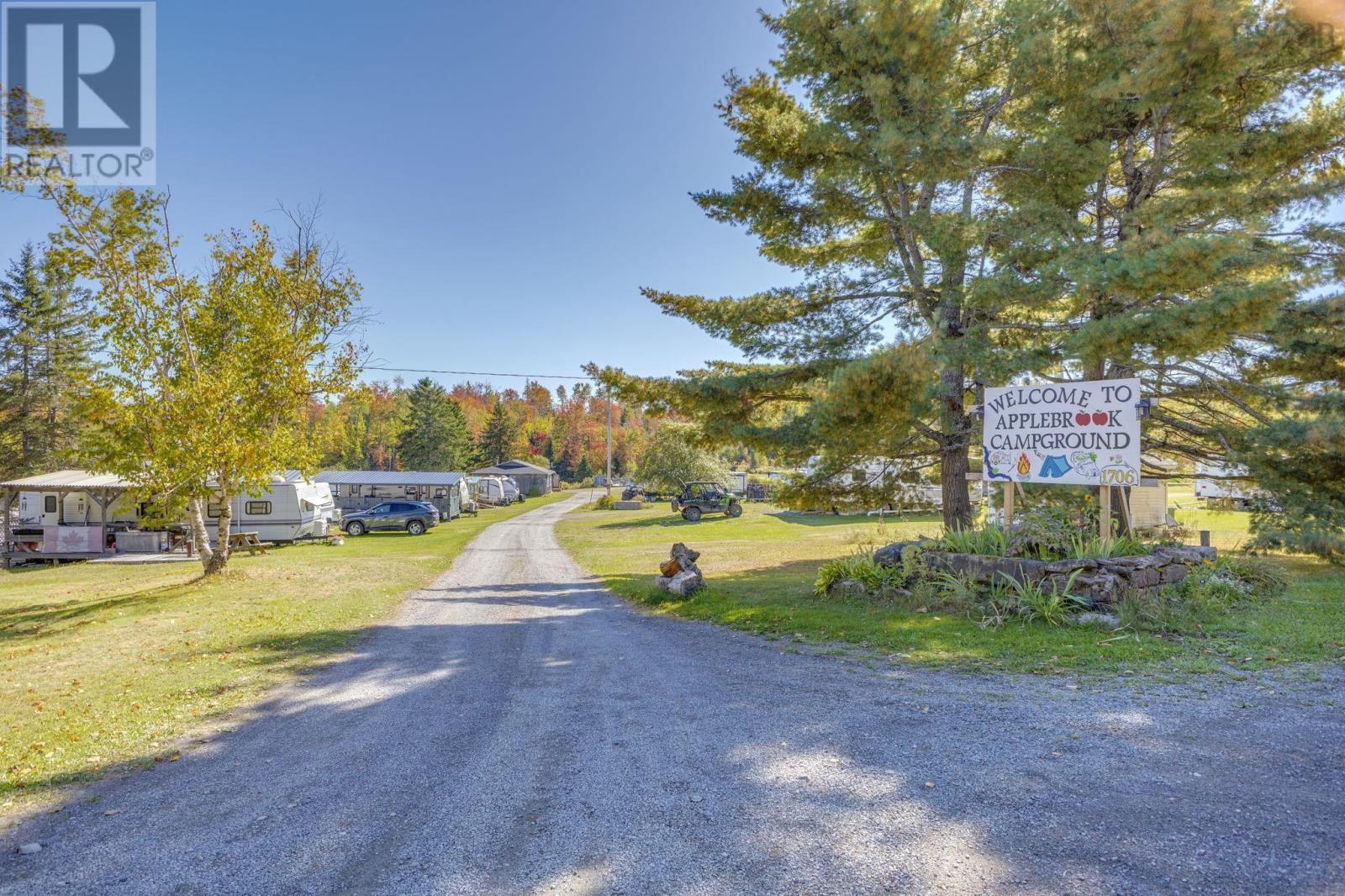
Village of Hilton Beach, Ontario
Century 21 Choice Realty Inc.
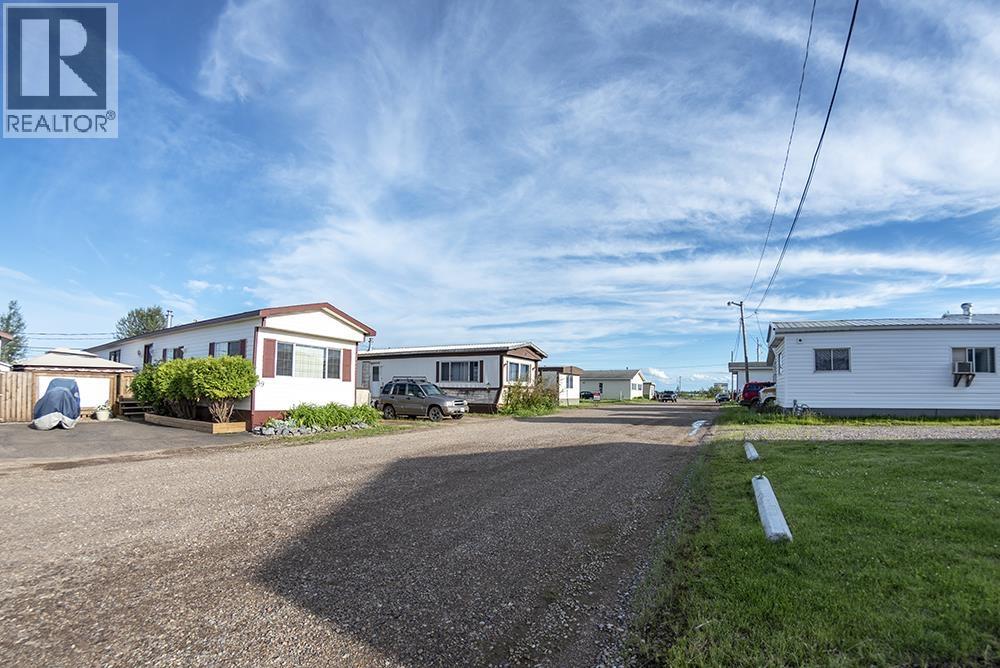
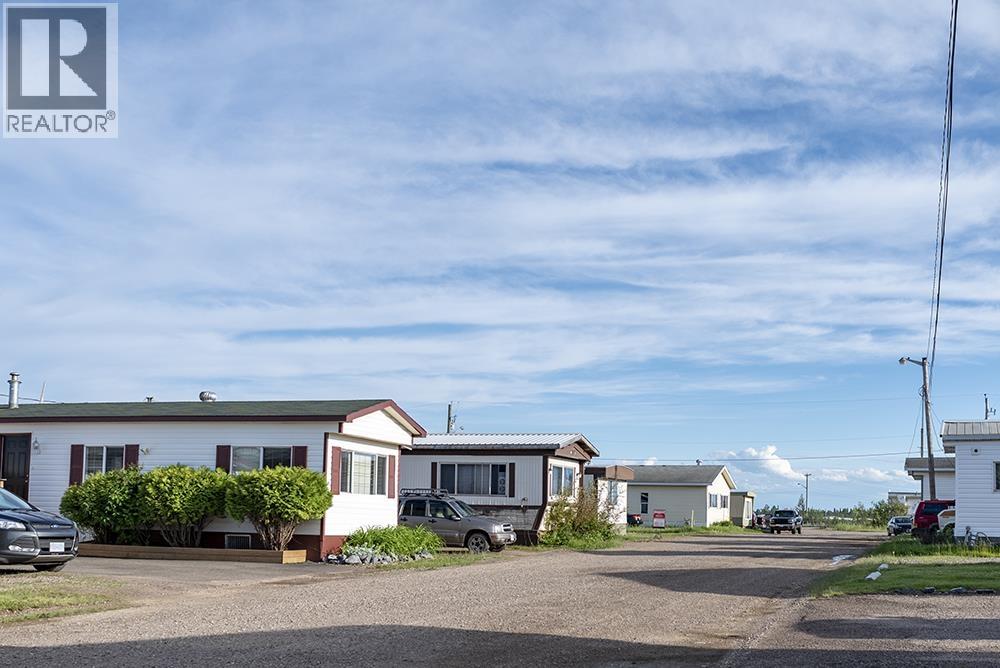
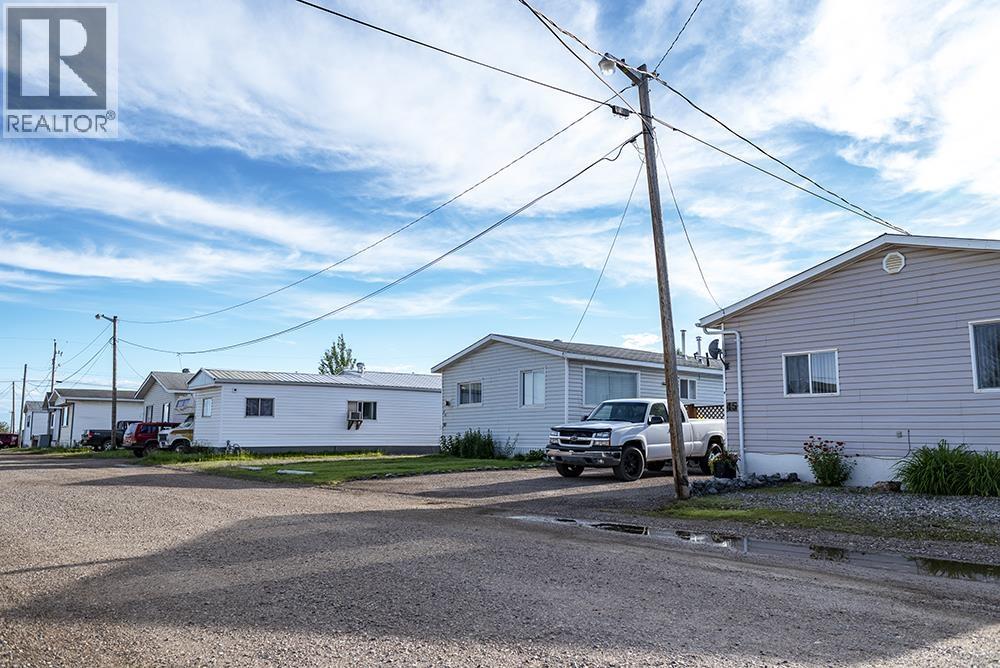
Fort Nelson, British Columbia
Royal LePage Westside Klein Group
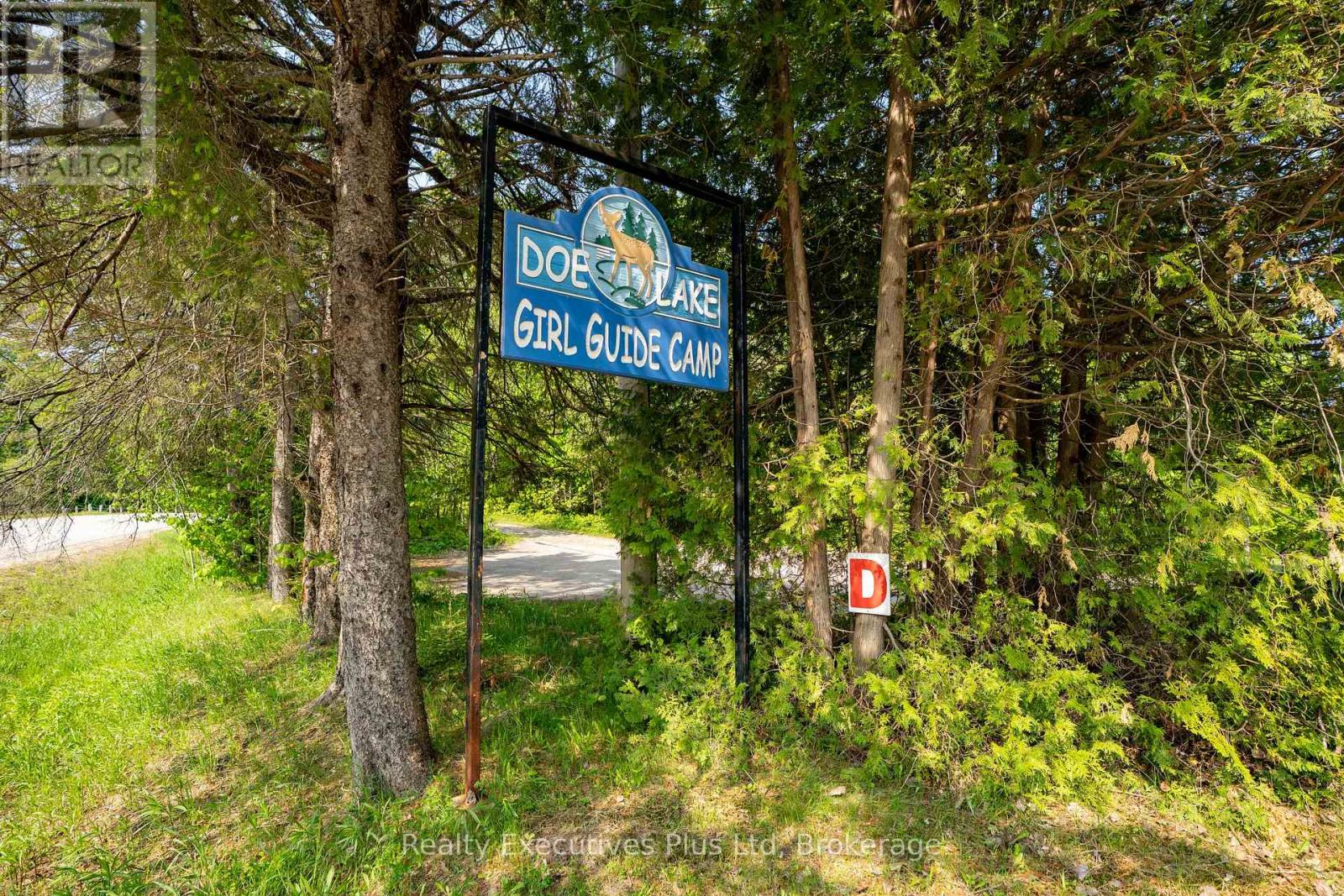
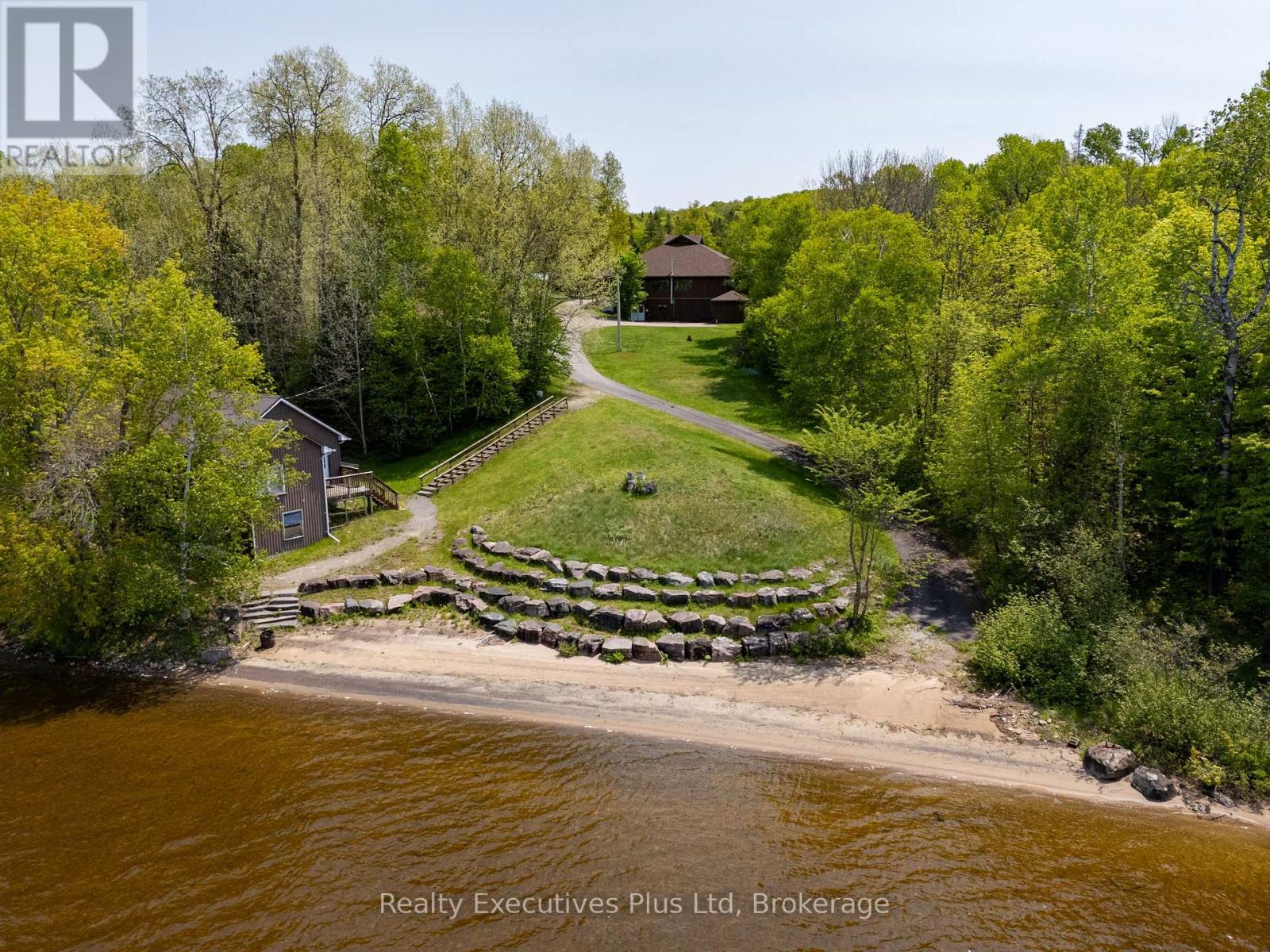
McMurrich/Monteith, Ontario
Realty Executives Plus Ltd
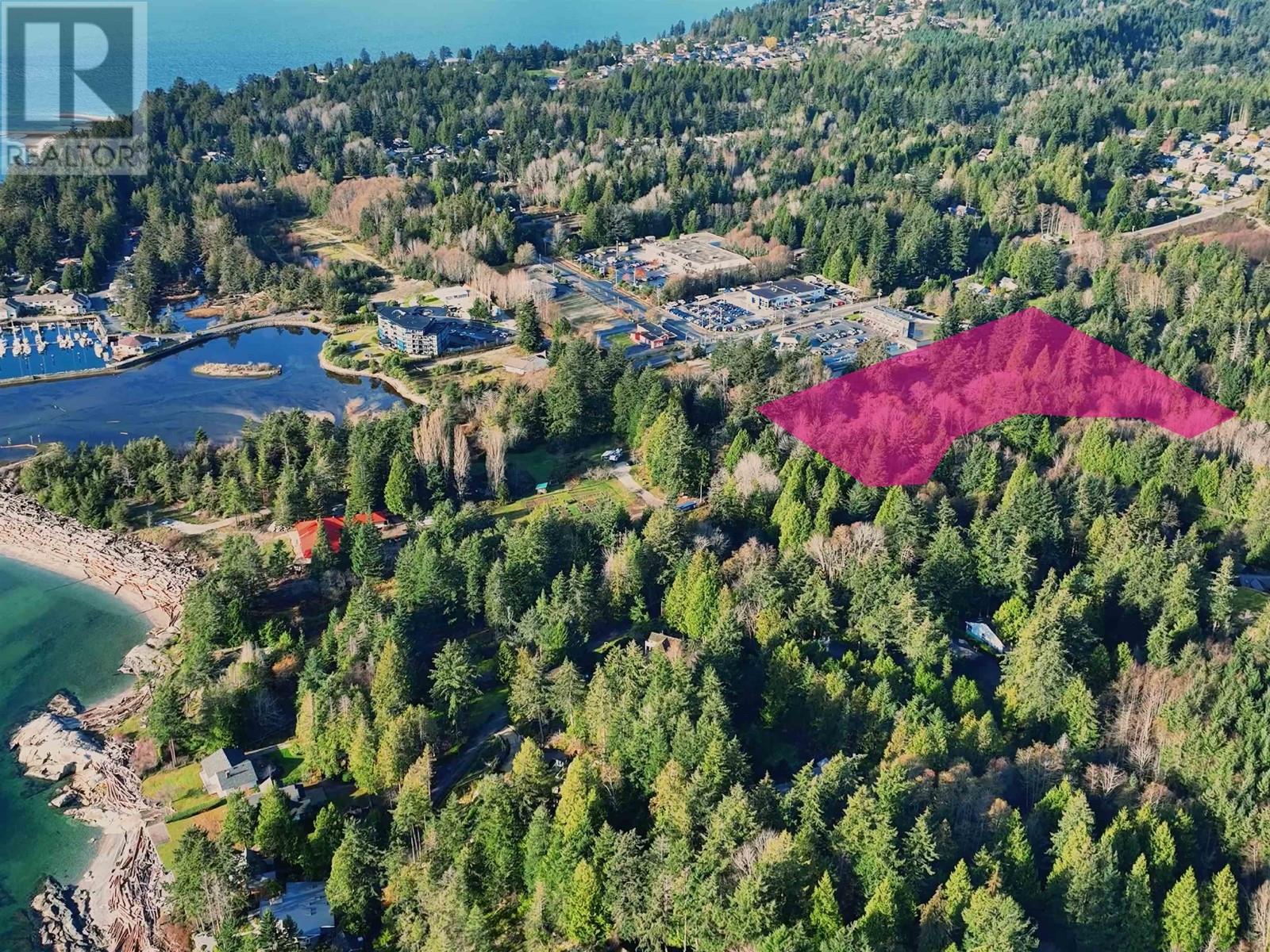
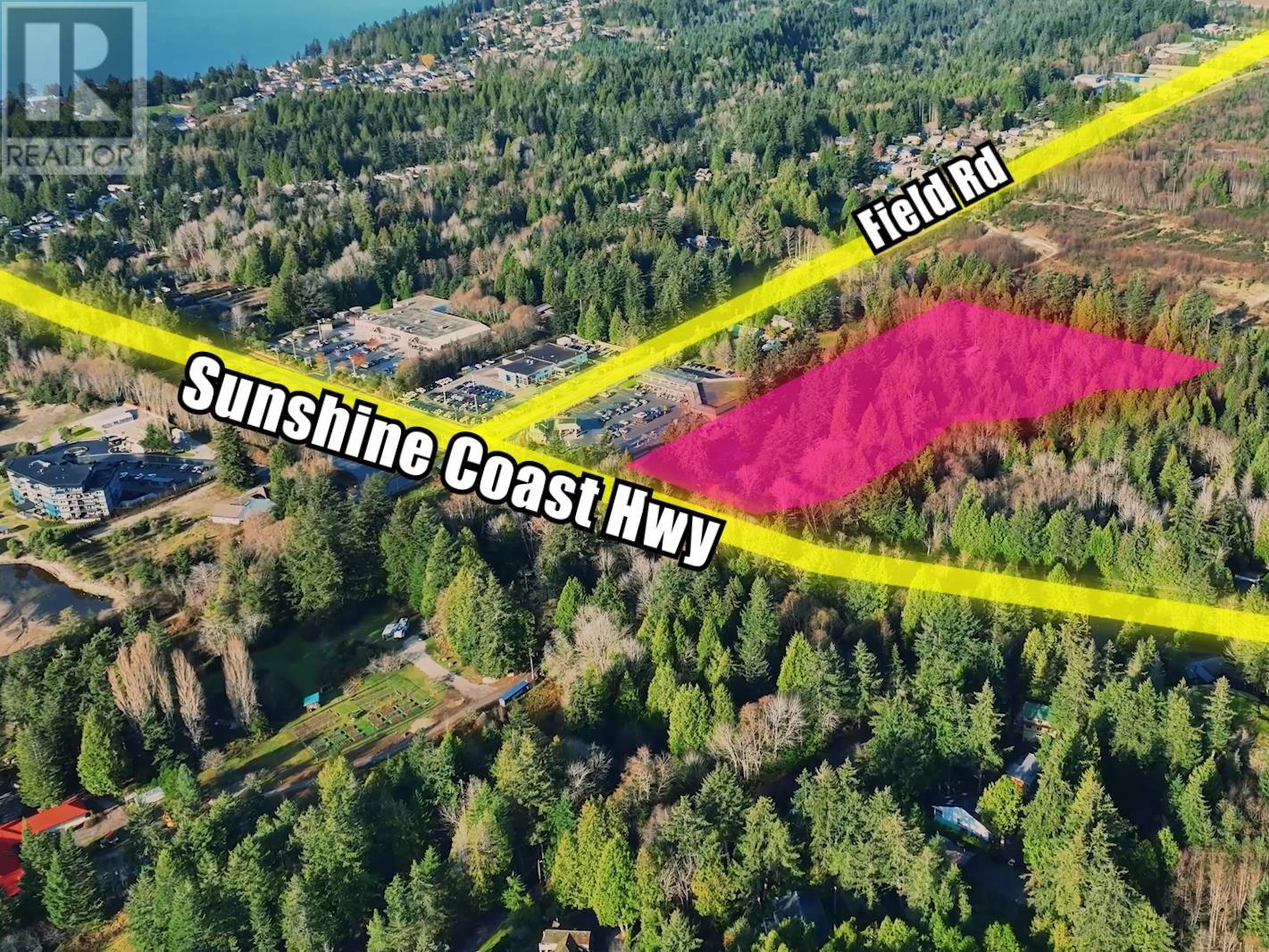
Sechelt, British Columbia
Claridge Real Estate Advisors Inc.
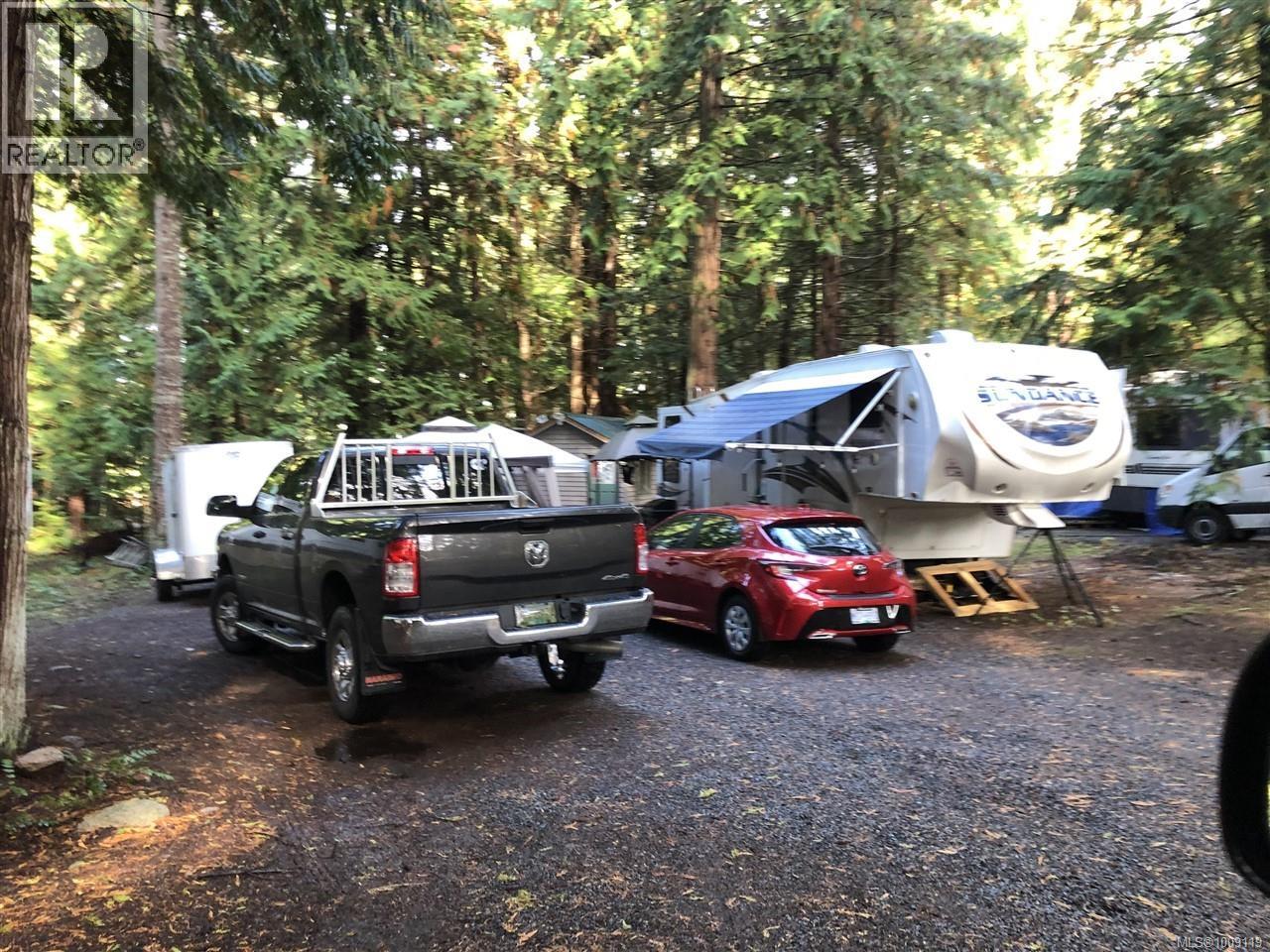
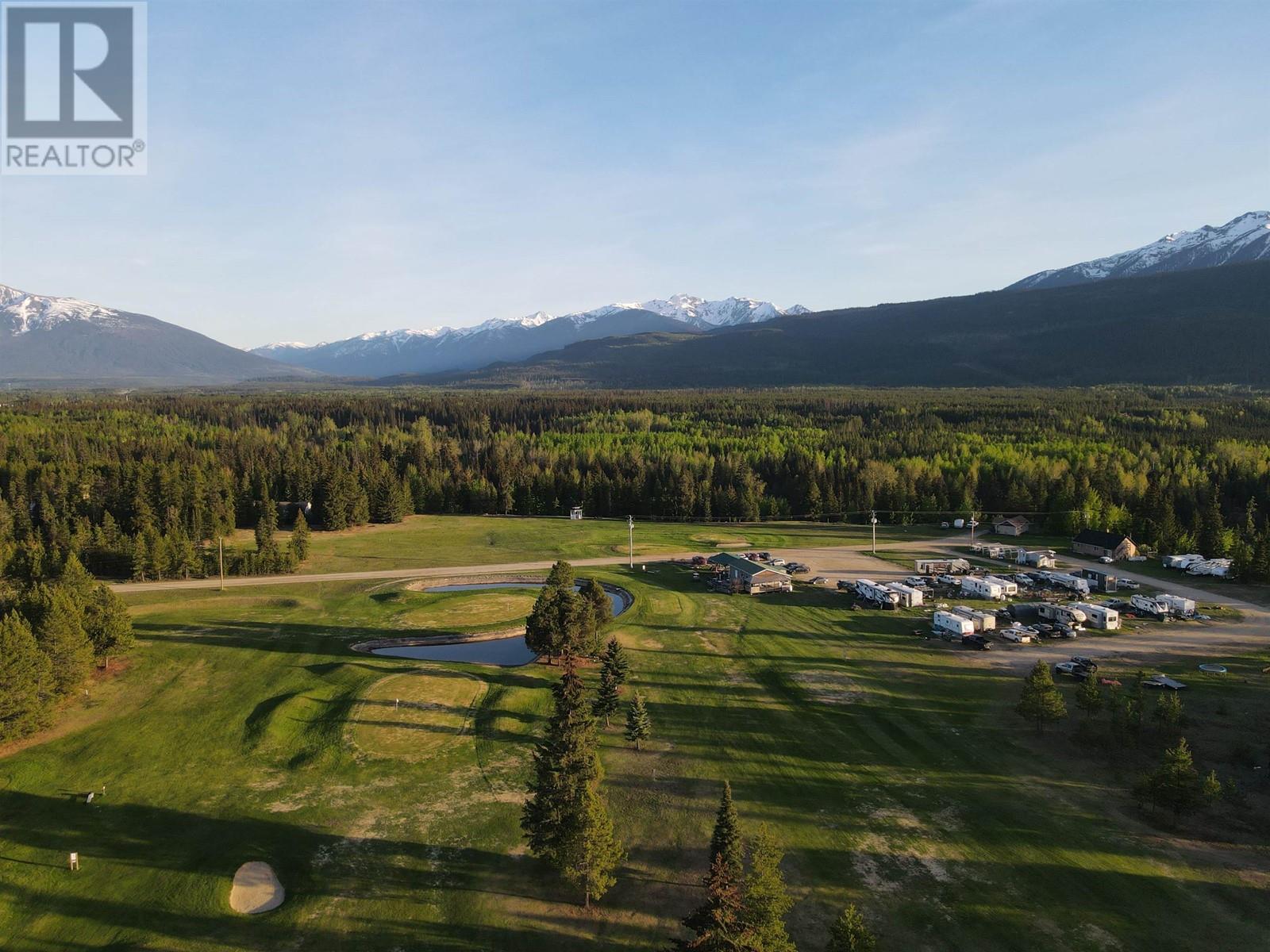
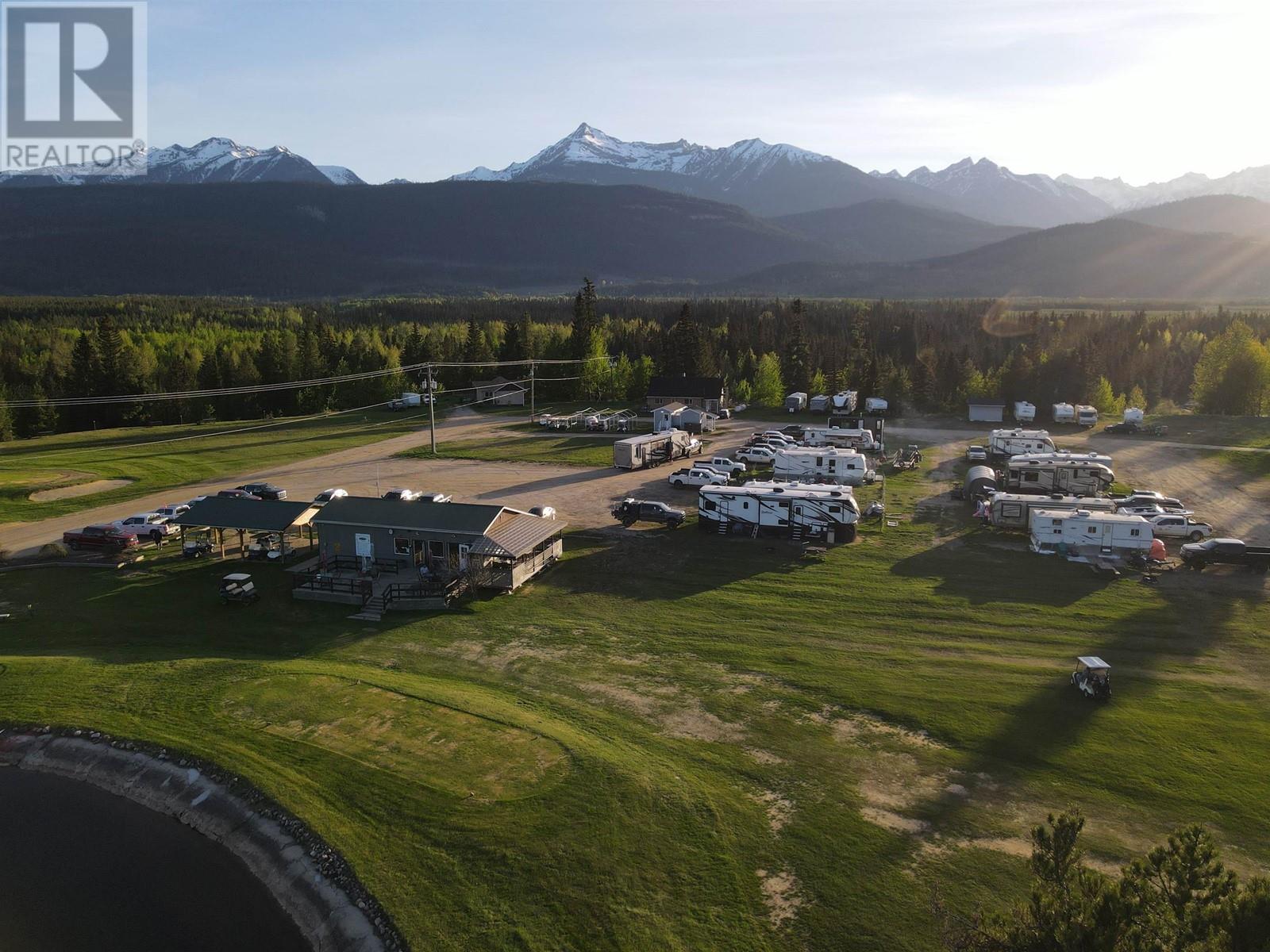
Valemount, British Columbia
Coldwell Banker Executives Realty (Kamloops)
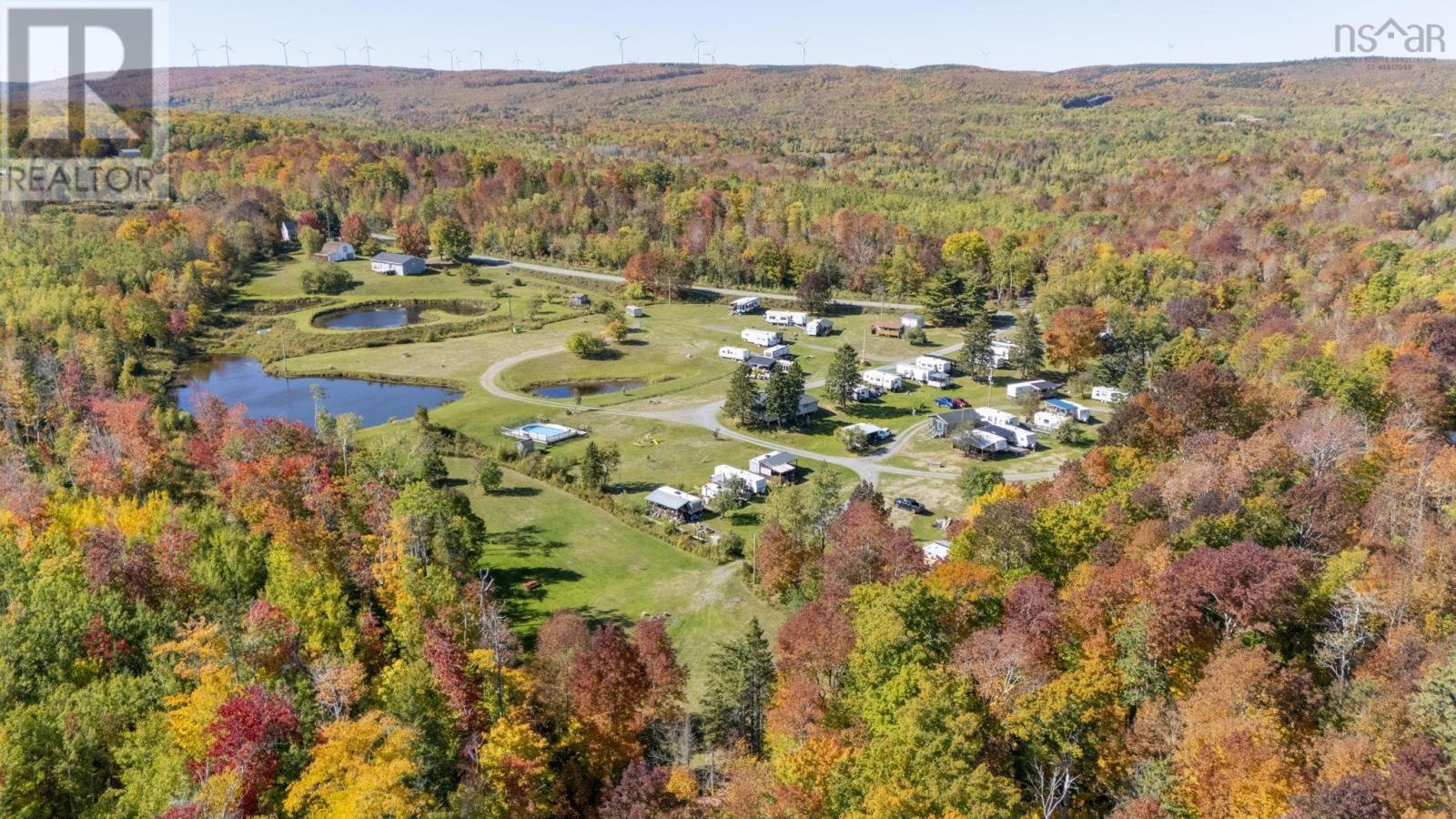
Sherbrooke, Nova Scotia
Royal LePage Atlantic(Stellarton)
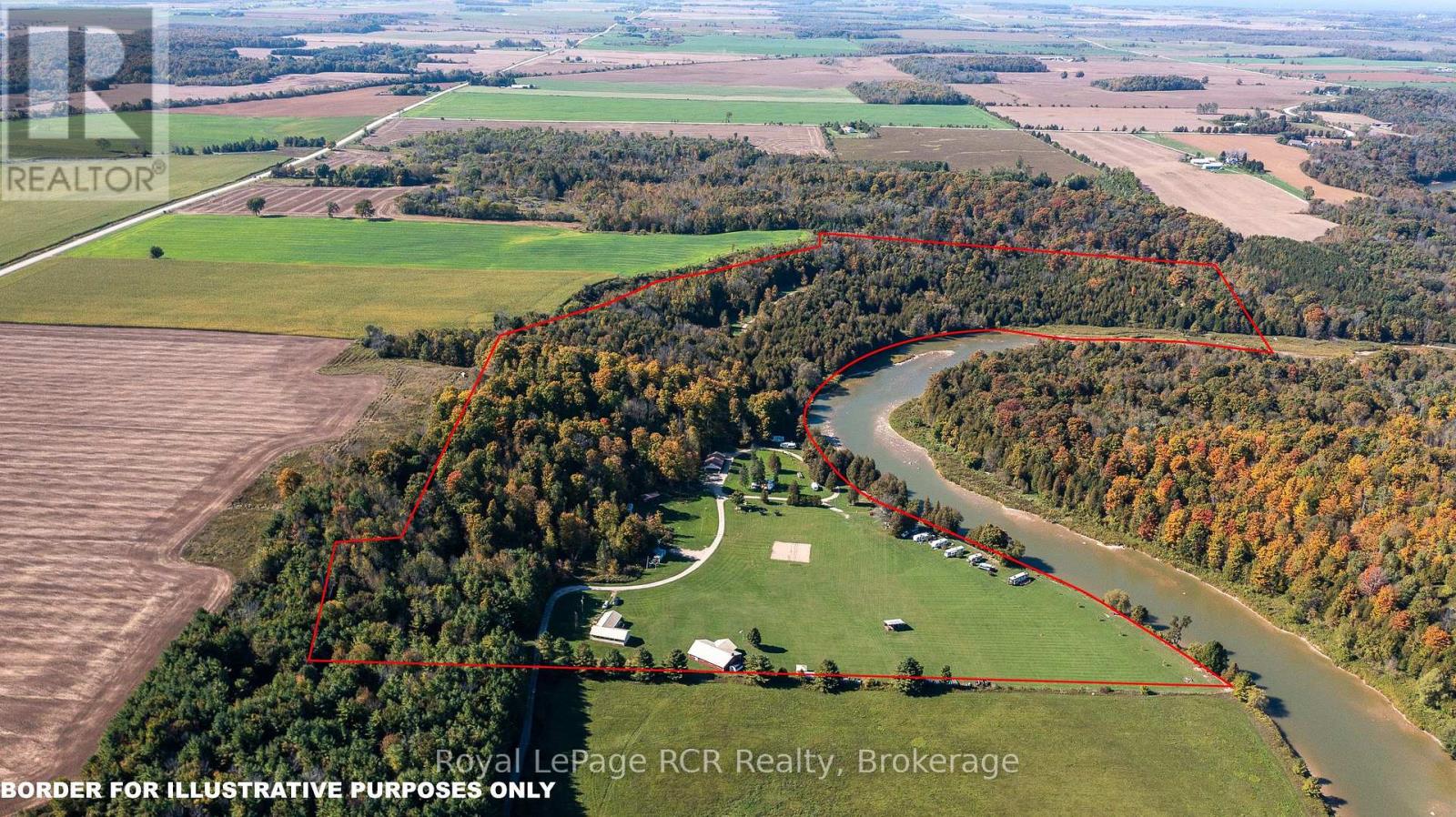
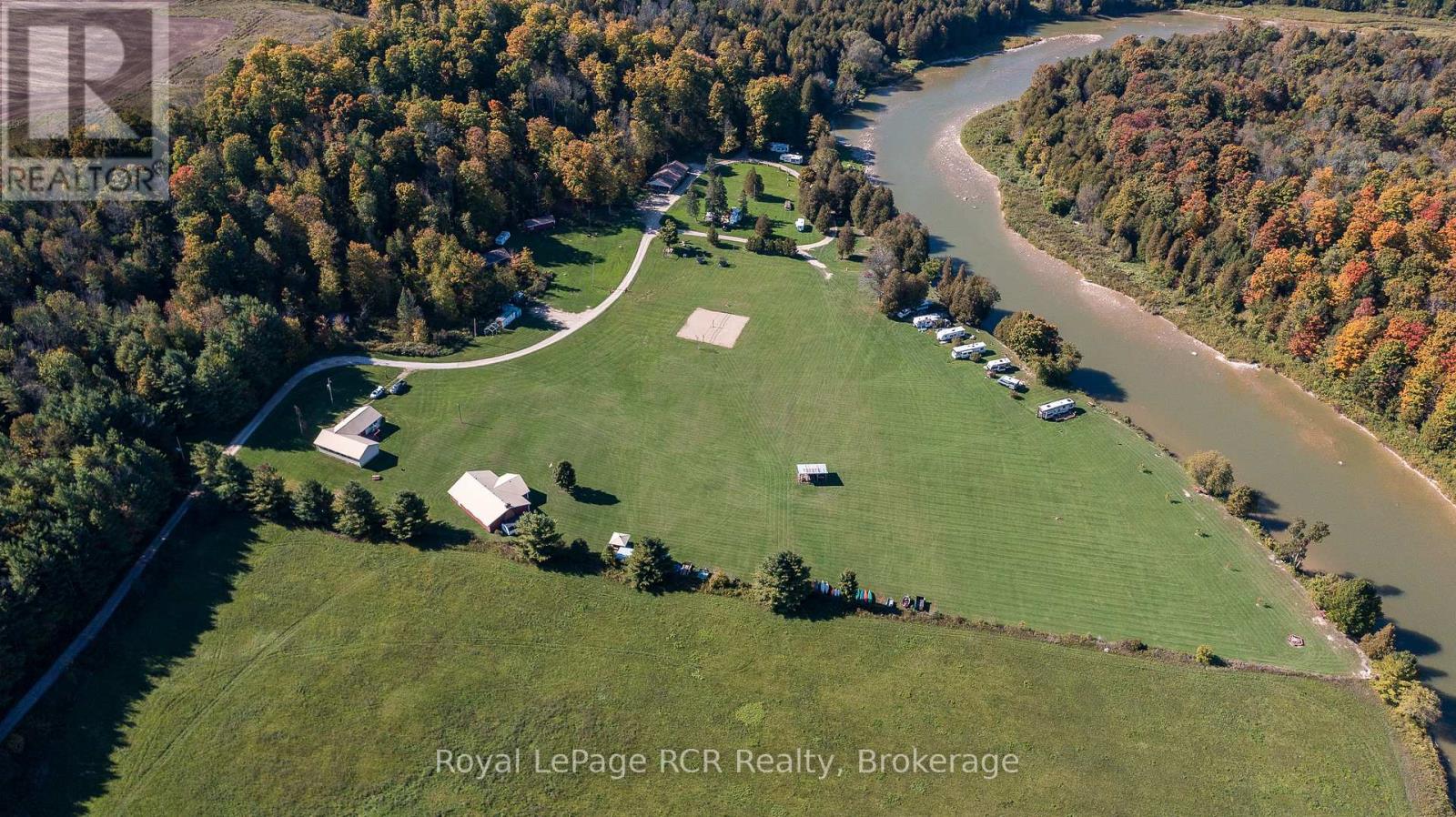
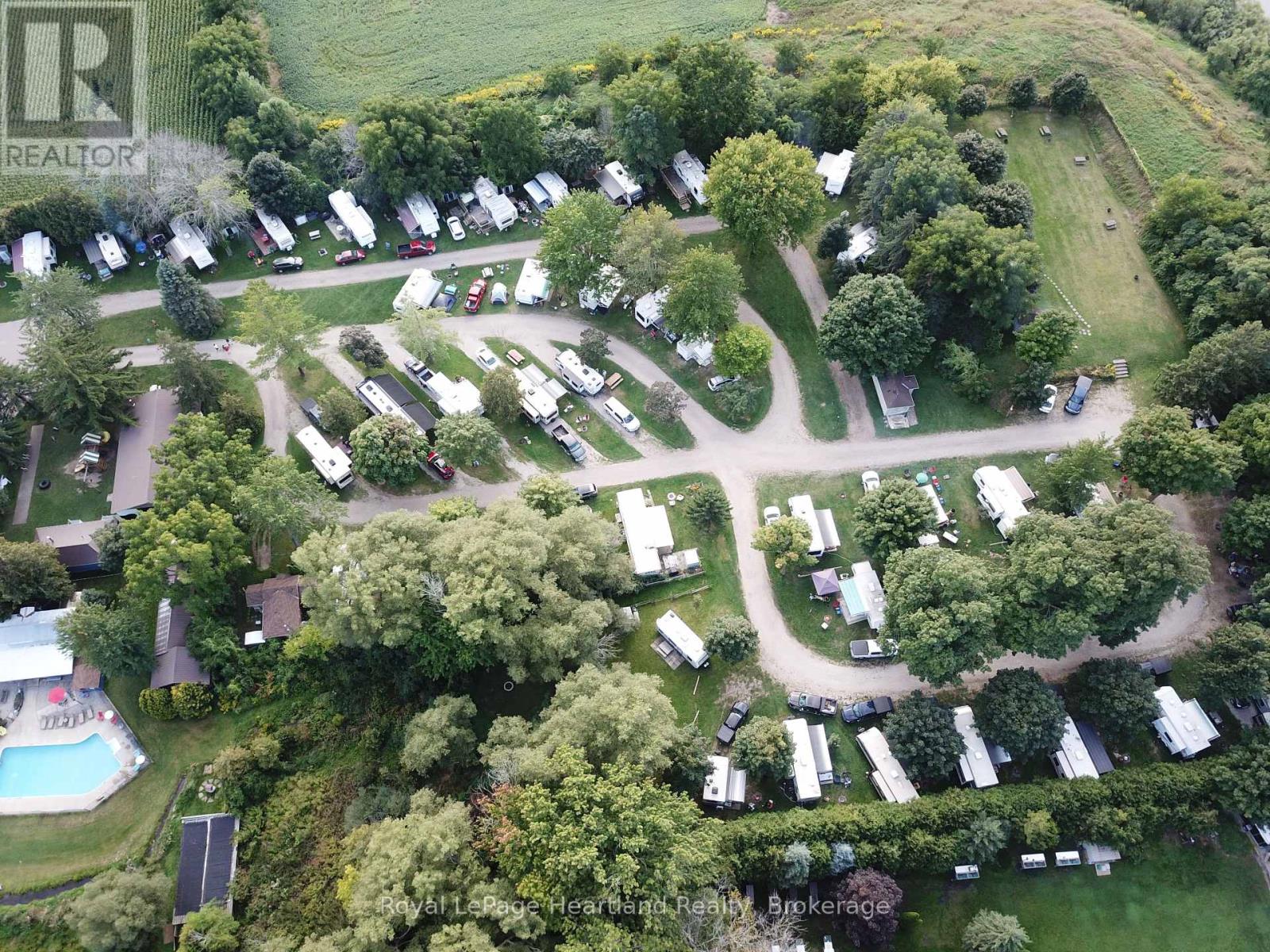
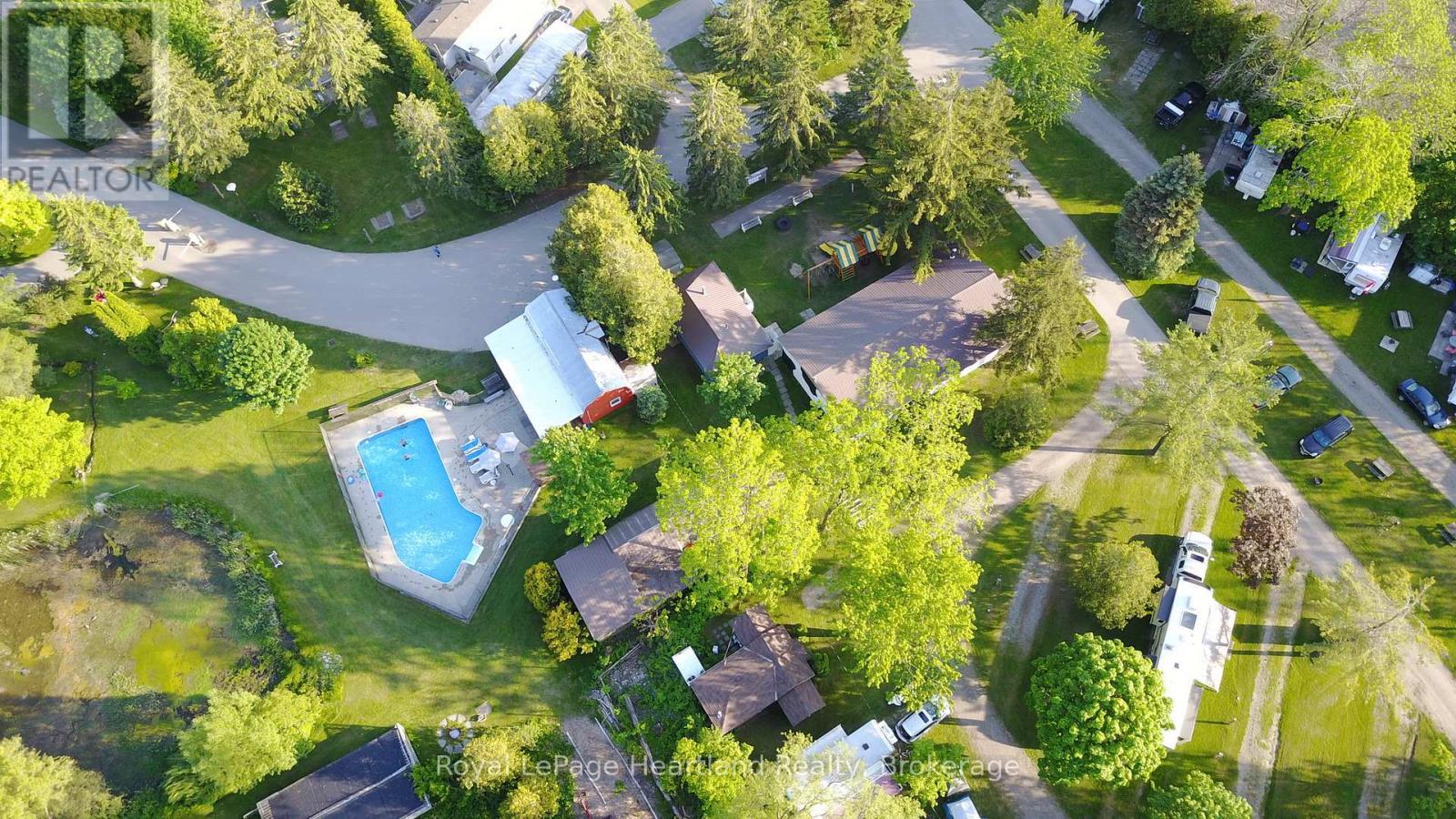
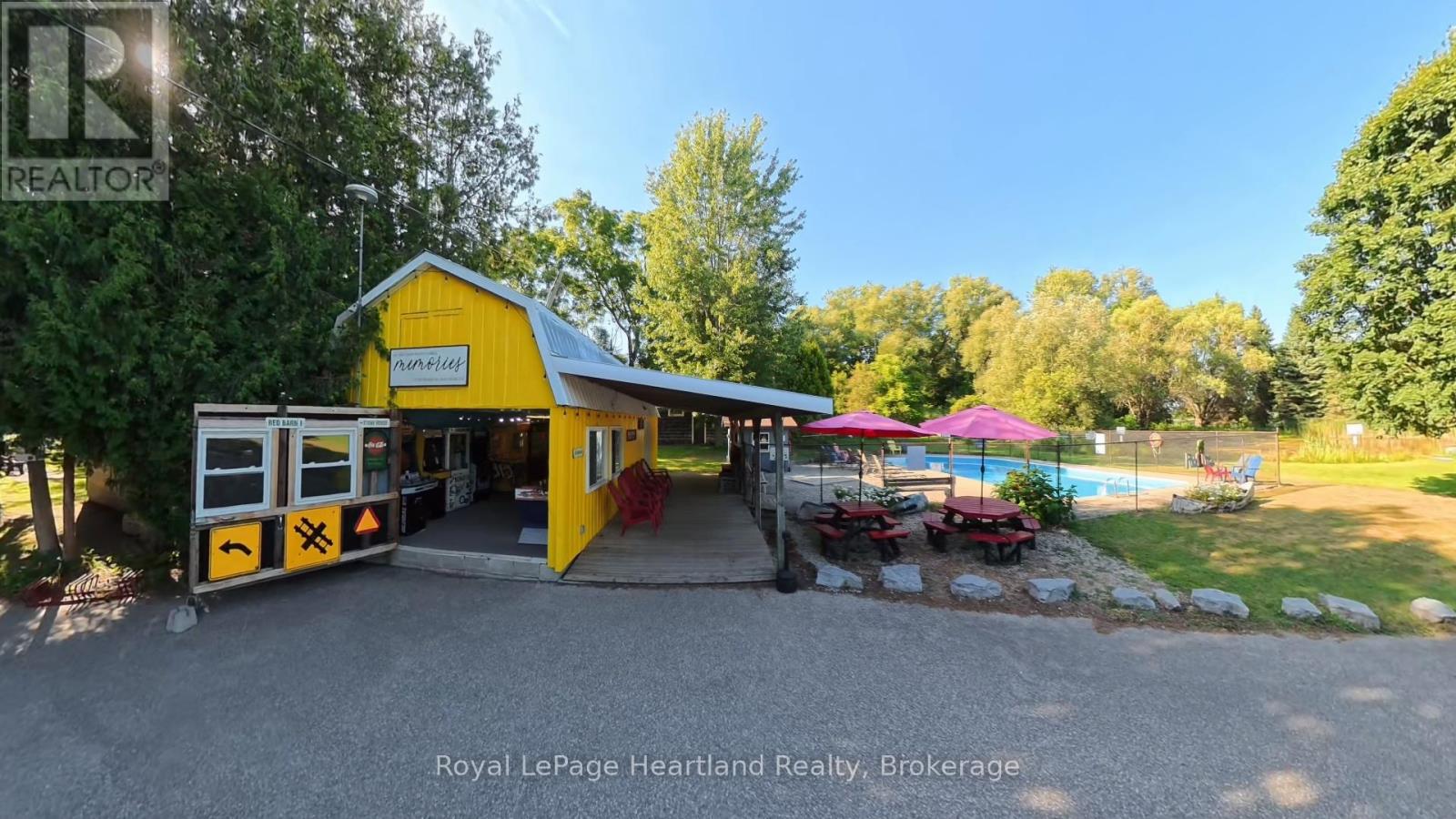
East Zorra-Tavistock, Ontario
Royal LePage Heartland Realty
The average asking price for Campgrounds & RV Parks : $2,280,979
The most viewed Campgrounds & RV Parks listings on FBF are linked below:
Written by David Turner, M.A.
Established campgrounds often come with a proven track record that provides a degree of security, reducing the risks compared to starting a new venture from scratch. Consider these compelling reasons to purchase a campground in Canada:
You'll capitalize on the rising trend of domestic tourism and "staycations."
The business model allows for strategic revenue diversification through additional services.
You'll gain valuable real estate assets in sought-after recreational areas.
The seasonal nature of campground operations provides flexibility to implement improvements during off-peak periods, while Canada's stable economy offers a secure environment for your investment.
Read more
Before committing to a campground purchase, you'll need to weigh several important factors that could impact your success. While startup costs can be substantial, the potential for generating steady income through multiple revenue streams makes this business model particularly attractive. However, operational challenges like seasonal fluctuations and maintenance requirements demand careful consideration.
|
Aspect |
Advantages |
Disadvantages |
|
Financial |
Multiple revenue streams |
High startup costs |
|
Lifestyle |
Living in nature |
24/7 commitment |
|
Operations |
Repeat customers |
Weather dependency |
The decision to purchase a campground involves balancing your desire for independence with the realities of business ownership. You'll need to evaluate whether you're prepared for the hands-on management style required while considering the potential for long-term equity building and recurring seasonal income.
Understanding current market dynamics helps shape a successful campground business strategy. As you analyze the market, you'll notice significant demographic shifts driving demand, with both younger adventurers and retiring baby boomers seeking outdoor experiences. Sustainability initiatives have become increasingly important, as today's campers expect eco-friendly practices and amenities.
Key trends you'll want to capitalize on include:
Rising demand for glamping accommodations and luxury camping experiences.
Integration of mobile technology for bookings, check-ins, and campsite services.
Growing interest in year-round camping opportunities, particularly from remote workers. Financial incentives, such as lower credit card fees, and other economic benefits can enhance your business's profitability in a competitive market.
Your suppliers are also evolving, offering more sustainable products and innovative solutions for campground operations. From solar-powered facilities to eco-friendly waste management systems, you'll find numerous options to meet changing consumer expectations while maintaining operational efficiency.
A campground's acquisition in Canada follows a structured process that you'll need to navigate carefully. Your journey begins with extensive potential buyer considerations, including evaluating your financial capacity, management experience, and long-term business objectives.
You'll then move into target location analysis, evaluating factors such as seasonal patterns, local demographics, and competitive landscapes.
Once you've identified promising properties, you'll need to conduct thorough due diligence, examining financial statements, occupancy rates, and existing infrastructure. This process involves working with professional advisors, including accountants, lawyers, and commercial real estate specialists who understand the camping industry.
You'll also need to investigate zoning regulations, environmental compliance, and potential expansion opportunities before making an offer and securing appropriate financing through Canadian lenders familiar with recreational property transactions.
Successful campground acquisition starts with clearly defined criteria that match your vision and capabilities. You'll need to evaluate various factors that align with your business goals and financial resources while considering your target market segments and financing options.
| Criteria Category | Key Considerations |
| Location | Population density, tourist traffic, accessibility |
| Property Size | Number of sites, expansion potential, amenities |
| Revenue Potential | Current earnings, growth opportunities, seasonality |
| Market Position | Competition, target demographics, pricing strategy |
| Investment Level | Purchase price, improvement costs, financing terms |
When developing your criteria, focus on understanding the campground's potential for long-term sustainability and growth. Consider how well the property's characteristics match your operational expertise and whether you'll need additional resources or partnerships to achieve your business objectives. Your criteria will serve as a framework for evaluating opportunities and making informed decisions.
You'll need to assemble a team of experts who understand the complexities of commercial real estate transactions and can guide you through the various legal considerations and accounting requirements specific to the Canadian market.
Utilizing comprehensive training programs, like Business Buyer Advantage, can help increase your financial literacy and negotiation skills, enabling more confident and financially sound decisions in your business purchase.
Before making a significant investment in a Canadian campground, conducting a thorough competitor analysis will help you understand the local market dynamics and identify potential opportunities. You'll need to perform a detailed target market analysis to determine your potential customer base and their preferences, while also examining nearby campgrounds' pricing structures, amenities, and occupancy rates.
Begin your competitive landscape assessment by researching campgrounds within a 100-kilometer radius, focusing on their strengths, weaknesses, and unique selling propositions. Consider factors such as their seasonal offerings, customer reviews, marketing strategies, and revenue streams. Pay particular attention to how they've positioned themselves in the market and what gaps you might be able to fill with your campground venture, ensuring you'll create a sustainable competitive advantage in your chosen location.
The journey to finding your ideal campground begins with creating a detailed acquisition criteria checklist that aligns with your business goals and budget. Once you've identified potential properties through business brokers, online listings, or direct networking, you'll need to thoroughly evaluate each opportunity against your criteria.
When you've found a promising campground, it's essential to understand the seller's motivations for selling, whether it's retirement, financial pressure, or other circumstances. This insight will help you structure an offer that meets the seller's demands while protecting your interests.
Schedule an on-site meeting with the owner to inspect the property, review financial statements, and discuss operational details. During this meeting, maintain professional composure while building rapport, as a positive relationship with the seller can greatly impact negotiations and the potential transfer of business knowledge.
Before making an offer on a campground, you'll need to examine critical business documents, including historical financial statements, premises lease agreements, and a thorough asset inventory. To properly evaluate the investment opportunity, it's crucial to obtain a professional business valuation while simultaneously developing detailed budgets for both acquisition and post-completion expenses.
Your meticulous analysis of these elements will help establish a fair purchase price and identify potential risks or opportunities that could impact your decision to move forward with the acquisition.
Financial statement analysis forms the cornerstone of your campground purchase due diligence process. You'll need to thoroughly examine at least three years of financial records, focusing on income statement analysis and balance sheet evaluation to understand the business's true financial health.
| Financial Metric | What to Look For | Why It Matters |
| Revenue Trends | Year-over-year growth | Shows business stability |
| Profit Margins | Operating costs vs. income | Indicates management efficiency |
| Cash Flow | Seasonal patterns | Reveals working capital needs |
| Asset Quality | Equipment condition | Determines future investments |
When reviewing these statements, don't hesitate to request additional documentation for any unusual patterns or discrepancies you discover. It's vital to verify that all financial information aligns with tax returns and bank statements while paying special attention to revenue recognition methods and expense categorization.
Carefully reviewing campground lease agreements stands out as a critical step in your pre-offer due diligence process. When you're purchasing a leased campground property, you'll need to thoroughly analyze the terms and conditions that govern your future operations. Start by examining the lease duration, renewal options, and any restrictions on property improvements or expansions that might affect your business plans.
As you review lease terms, pay particular attention to the assignment clauses and any conditions that could impact your ability to transfer the lease. It's crucial to analyze long-term liability exposure, including environmental responsibilities and maintenance obligations. Additionally, you'll want to verify that all lease payments are current and understand how future rent increases are calculated, as these factors will greatly influence your investment's profitability.
While conducting pre-offer due diligence, you'll need to obtain and thoroughly review an extensive list of all assets included in the campground sale. As you inspect property infrastructure and review inventory lists, guarantee every item is properly documented and valued.
| Asset Category | Documentation Required | Value Impact |
| Fixed Assets | Building permits, surveys | High |
| Equipment | Maintenance records, warranties | Medium |
| Inventory | Stock lists, supplier contracts | Variable |
Begin by categorizing each asset according to its type and condition, paying particular attention to critical infrastructure components like electrical systems, water treatment facilities, and sewage management systems. You'll want to verify that all items listed are present on the property and confirm their operational status, as these details will drastically impact your offer price and future business operations.
Planning out your total budget goes beyond just the purchase price of the campground. You'll need to carefully consider various financing options, including traditional bank loans, private lenders, or seller financing arrangements, while also accounting for substantial operational expenses that'll arise after taking ownership.
Ensure your readiness for your campground investment by concentrating on these crucial budget elements:
Initial acquisition costs, including down payment, closing fees, and legal expenses.
Immediate post-purchase needs such as property improvements, equipment upgrades, and initial inventory.
Working capital requirements for at least six months of operational expenses, including staff wages, utilities, insurance, and maintenance.
When developing your budget, it's important to set aside a significant financial buffer for unexpected costs and seasonal revenue fluctuations that are common in the campground industry.
With your budget framework in place, determining a fair price for your target campground becomes the next key step. Professional business valuators typically employ three distinct valuation approaches to establish a credible market value: calculating earnings multiples based on EBITDA (earnings before iterest, taxes, depreciation & amortization) or SDE (seller's discretionary earnings), assessing tangible and intangible assets, and analyzing comparable campground sales in the market.
For smaller campground operations, you'll typically see valuations ranging from two to three times SDC for transactions under $650,000, or three to four times EBITDA for larger properties. However, these multiples can vary based on factors like location, infrastructure quality, and market conditions. It's essential to engage a qualified business broker or valuator who can apply professional judgment to reconcile different valuation methods and arrive at a defendable purchase price.
When you're ready to move forward with purchasing a campground, you'll need to carefully consider whether to structure the deal as an asset sale or a share sale, while potentially negotiating some seller financing to make the transaction more feasible.
During this stage, you'll want to thoroughly examine all operating licenses and permits to ensure they're transferable and remain valid under new ownership, particularly those related to water systems, food service, or special amenities.
Before finalizing your offer or letter of intent, it's imperative to outline a detailed seller training and changeover plan that specifies how the current owner will help you learn the business operations, including seasonal procedures, vendor relationships, and any proprietary systems or processes.
Once you've identified a campground for purchase, determining whether to structure the deal as an asset sale or share sale becomes a critical decision that'll affect both your tax implications and liability exposure. While asset sales typically offer more flexibility in asset value considerations and better protection against unknown liabilities, share sales can sometimes provide tax advantages for the seller, potentially leading to a lower purchase price for you.
In an asset sale, you'll have the freedom to select which assets to purchase while leaving behind potential liability transfer implications.
Share sales include the complete transfer of the corporation, meaning you'll assume all historical liabilities and obligations.
Your tax treatment will differ considerably between the two structures, with asset sales typically allowing for increased depreciation benefits through stepped-up basis.
Seller financing can substantially ease the financial burden of purchasing a campground while demonstrating your commitment to the transaction. When you're negotiating with the seller, you'll want to request partial financing, typically ranging from 15% to 30% of the purchase price, which can complement your traditional bank financing or investment capital.
During negotiations, you'll find that seller financing often comes with more favourable interest rates and flexible repayment terms compared to conventional loans. You can structure the agreement to include stepped payments, deferred interest, or balloon payments that align with your campground's seasonal cash flow patterns. Additionally, having the seller maintain a financial stake in the business can provide you with valuable mentorship and facilitate a smoother handover of ownership, as they'll be motivated to see you succeed.
Reviewing the campground's operating licenses and permits marks a critical step before submitting your conditional offer or Letter of Intent (LOI). You'll need to thoroughly examine all documentation to guarantee the campground's compliance with local, provincial, and federal regulations, which will directly impact your ability to operate the business successfully after purchase.
Request copies of all current campground licenses, including those for food service, alcohol sales, and recreational activities. Verify that all permit requirements have been met, including environmental compliance, water testing, and sewage system approvals. Check the renewal dates and transferability status of existing permits to safeguard smooth business continuity.
Consider engaging a legal professional who specializes in campground regulations to review these documents, as they'll help identify potential compliance issues that could affect your purchase decision or require additional investment.
After confirming the campground's compliance status, you'll need to create an extensive seller training and migration plan while preparing your conditional offer or Letter of Intent. This plan should outline how the current owner will facilitate your transition to running the campground, including detailed knowledge transfer sessions covering daily operations, seasonal maintenance, and employee onboarding procedures.
Request that the seller commit to a specific training period, typically 30-90 days, during which they'll introduce you to established vendor relationships, share booking systems access, and demonstrate critical operational processes. Your handover plan should also address the transfer of existing customer databases, maintenance records, and supplier contracts. Consider including provisions for post-sale consultation availability, ensuring you'll have access to the seller's expertise during your first peak season of ownership.
A thorough business plan serves as your roadmap to securing financing for your campground purchase in Canada. You'll need to outline your campground financing structure, including down payment sources, lending requirements, and projected returns on investment. Additionally, create a detailed capital expenditure budget that accounts for immediate improvements and long-term maintenance needs.
Develop exhaustive financial projections showing revenue streams from camping sites, amenities, and additional services
Document your management experience and strategic vision for growing the campground's market share
Include market analysis demonstrating the viability of your chosen location and target demographic
Your business plan must demonstrate a clear understanding of seasonal fluctuations, competitive advantages, and risk mitigation strategies. Focus on presenting realistic growth scenarios while highlighting your ability to generate consistent cash flow throughout the operating season.
The final phase of purchasing your campground requires careful attention to numerous legal and financial details. As you negotiate contract terms with the seller, you'll need to review and finalize all documentation, including purchase agreements, property titles, permits, and licenses. It's pivotal to work closely with your legal counsel and accountant during this stage to guarantee all conditions are met and your interests are protected.
Once you've reached an agreement and secured financing, you'll need to manage post acquisition integration effectively. This involves coordinating the transfer of operational control, updating administrative systems, and establishing new banking relationships. You'll also want to implement your changeover plan, which should include communicating with existing staff and customers, reviewing supplier contracts, and making certain all necessary insurance coverage is in place before taking ownership.
Operating a campground in Canada requires strict adherence to multiple layers of regulatory oversight. You'll need to navigate through federal, provincial, and municipal regulations that govern everything from land use to environmental protection. Understanding municipal zoning requirements and environmental regulations is essential for maintaining compliance and avoiding costly penalties.
Before finalizing your campground purchase, you'll want to verify that all necessary permits are in place and that the property meets current standards. Working with local authorities and maintaining detailed documentation of your compliance efforts will help guarantee your campground operation remains in good standing with regulatory bodies.
Professional campground ownership starts with accessing reliable industry resources and networks across Canada. You'll need thorough industry reports and a full understanding of the regulatory environment before making your investment decision. The Canadian Camping and RV Council (CCRVC) and provincial camping associations provide valuable market insights and networking opportunities that can shape your business strategy.
Subscribe to industry publications like Canadian Camping & RV magazine to stay current with market trends and business opportunities. Join provincial campground owners' associations to access mentorship programs and professional development resources. Connect with commercial real estate agencies specializing in recreational property sales for detailed market analysis.
Consider engaging with business brokers who specialize in campground sales, as they often maintain extensive databases of industry statistics and can provide comparative market analyses for different regions across Canada.
A: When looking for a campground for sale, consider factors such as location, size (acres of land), amenities offered (like washroom facilities and RV sites), and potential for income generation. Additionally, check if the property is turn-key and fully operational to minimize initial investment.
A: Yes, there are various campgrounds for sale in Ontario. You can find options ranging from waterfront properties to established RV parks that cater to different needs, including family reunions and recreational activities.
A: When searching for a resort for sale, look for amenities such as a hot tub, playground, fully serviced RV sites, cabin rentals, and access to water and sewer services. These features can significantly enhance the guest experience and increase occupancy rates.
A: Yes, there are mobile home parks for sale in Alberta, including areas around Edmonton. These parks often come with established infrastructure, including septic systems and water hookups, making them attractive investment opportunities.
A: Eastern Ontario offers a variety of campgrounds for sale, including RV campgrounds, trailer parks, and lakeside resorts. Many of these properties are well-maintained and located near beautiful lakes, making them ideal for recreational activities.
A: The size of a campground for sale can vary widely, but many properties are typically several acres, ranging from 1.5 acres to larger multi-acre sites. The size will affect the number of RV sites, tent sites, and overall amenities available.
A: To determine the value of a resort for sale, consider factors such as location, income potential, existing facilities, and market trends. Consulting with a real estate professional who specializes in campgrounds and resorts can also provide valuable insights.
A: An established RV park typically includes the land, existing infrastructure such as RV lots and amenities (like shower houses and washrooms), and sometimes additional features like a storage building or marina. Always verify what is included in the sale before purchasing.

Data is supplied by CREA who is the owner of the copyright in its MLS®System. Data provided is deemed reliable but is not guaranteed accurate by CREA. The trademarks MLS®, Multiple Listing Service® and the associated logos are owned by The Canadian Real Estate Association (CREA) and identify the quality of services provided by real estate professionals who are members of CREA. Used under license.