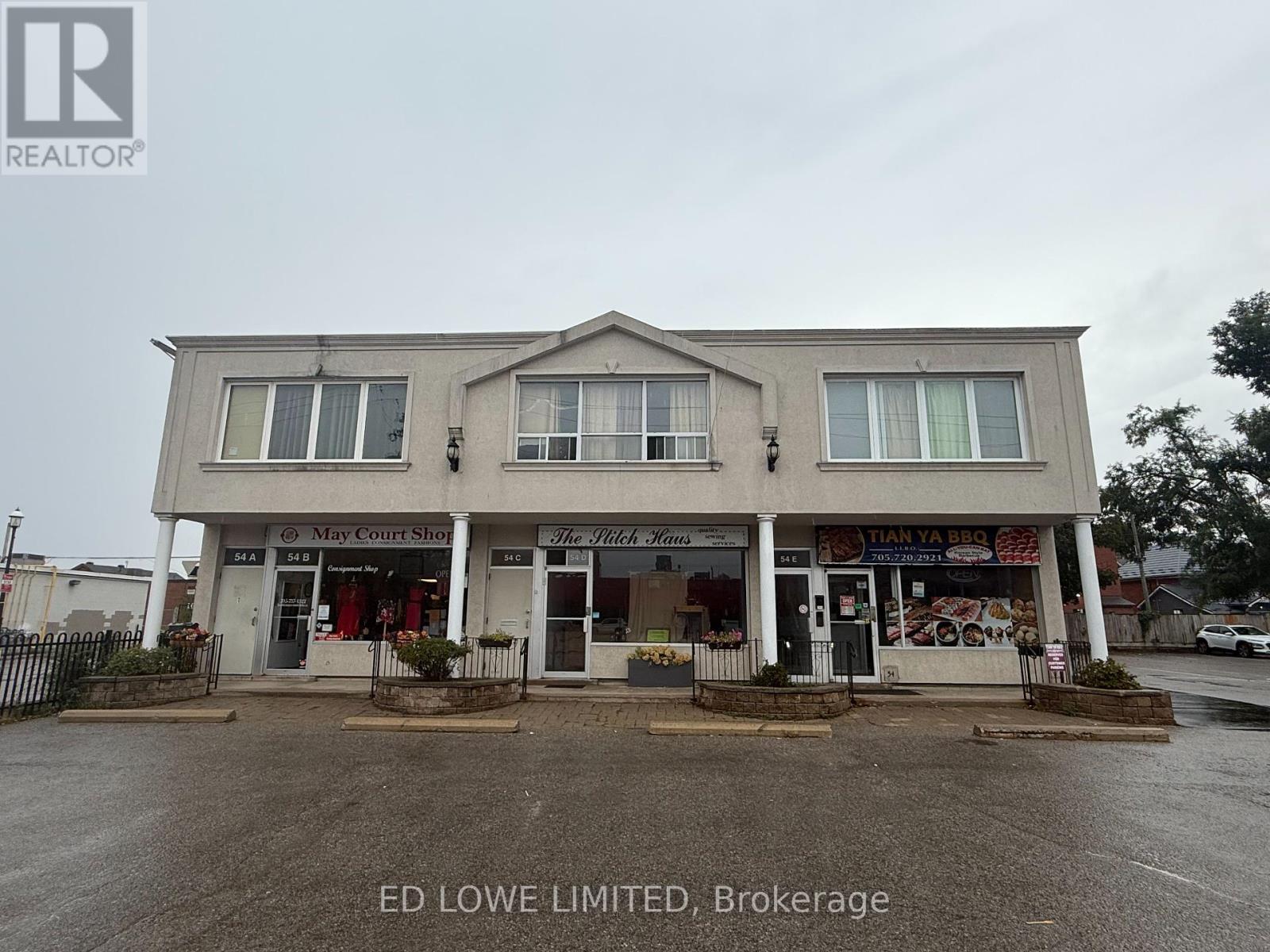
The average asking price for Listings in
Toronto: $1,257,539
The most viewed listings in Toronto on FBF are linked below:
| Gas Station Business For Sale in Otonabee-South Monaghan | Bakery For Sale | Convenience Store Business For Sale in Uxbridge |
| Gas Station for Sale | Pizza Store/Restaurant For Sale | Gas Station For Sale |
Written by David Turner, M.A.
Buying a business in Toronto, Ontario offers a strategic entry into Canada's largest and most diverse economic hub. You'll gain access to a thriving market with extensive growth potential and a robust entrepreneurial ecosystem.
Toronto's multicultural consumer base and strategic geography provide unique opportunities for expansion and innovation. The city's high quality of life attracts top talent, while its diverse economy, including strong financial and technology sectors, guarantees a stable environment.
Read more
Toronto, the largest city in Canada, boasts a diverse economy, strategic geography, and vibrant lifestyle. As a business owner, you'll benefit from its thriving financial sector, technological innovation, and multicultural consumer base.
Ontario's geography positions Toronto as a gateway to North American markets. At the same time, the city's renowned Toronto lifestyle offers a perfect blend of urban amenities and natural attractions, ensuring a high quality of life for entrepreneurs and employees alike.
When considering the purchase of a company in Toronto, Ontario, you'll need to follow several essential steps to guarantee a successful acquisition.
Defining your acquisition criteria is an essential first step in the buying process.
To align your acquisition strategy with your goals, consider the importance of collaborating with a broker who can assist in refining your criteria based on market insights and trends, which can greatly enhance your search for suitable options.
Frequently, connecting with local business associations proves invaluable when researching the macroeconomic landscape and trends in Toronto, Ontario.
These organizations offer unparalleled opportunities for local networking and establishing partnerships. Engaging with these associations can also provide access to expertise and contacts that can greatly enhance your understanding of the business environment.
You'll gain insights into market conditions, regulatory frameworks, and industry-specific challenges by engaging with these associations.
By thoroughly examining your target businesses rivals, you'll gain a deeper understanding of potential challenges and opportunities. Understanding the key aspects of due diligence is vital as it helps mitigate risks associated with acquisitions.
This knowledge empowers you to make informed decisions, positioning yourself strategically within Toronto's dynamic ecosystem.
Engaging experts in Toronto's business landscape is essential for a successful acquisition, as they can provide insights into the buying process and help you avoid costly mistakes.
Consider these key professionals:
These specialists will provide invaluable insights and negotiation strategies, empowering you to make informed decisions throughout the purchasing process.
Additionally, leveraging resources from the Business Buyer Advantage program can further enhance your understanding of financial literacy and negotiation techniques.
The excitement builds as you prepare to meet potential sellers in Toronto, Ontario. As you engage with owners, you'll gain a deeper understanding of the opportunities available and their potential for growth.
Moreover, these meetings allow you to assess the compatibility between your vision and the existing enterprise, facilitating informed decision-making in your quest for entrepreneurial freedom.
When considering the acquisition of a company in Toronto, it's vital to conduct thorough due diligence to guarantee you're making a sound investment.
Conducting a SWOT analysis is essential when evaluating a potential acquisition in Toronto. This thorough assessment helps you identify the target company’s strengths, market weaknesses, competitor opportunities, and financial threats. By examining these factors, you'll gain valuable insights into the business's viability and potential for growth in Toronto's dynamic market.
|
Strengths |
Weaknesses |
Opportunities |
Threats |
|
Brand reputation |
Outdated technology |
Market expansion |
Increased competition |
|
Skilled workforce |
Limited product range |
New partnerships |
Economic downturns |
|
Prime location |
High operating costs |
Innovation potential |
Regulatory changes |
Before starting your acquisition in Toronto, it's important to establish a thorough budget that covers both the purchase price and post-completion costs.
Understanding the current corporate tax insights can also help you anticipate potential tax liabilities associated with the acquisition. Consider various financing options and be prepared for hidden costs that may arise.
To guarantee you're financially ready for this significant investment, follow these steps:
By examining historical financial statements, you'll gain valuable insights into the company's financial health and performance over time.
Analyze key financial ratios and revenue trends to identify potential red flags or opportunities for growth. This thorough review will empower you to make an informed decision, ensuring your investment aligns with your aspirations for financial independence and entrepreneurial success.
This vital examination guarantees you're not inheriting any hidden encumbrances or unfavorable terms. A thorough title review will reveal any liens, easements, or restrictions on the property while scrutinizing lease agreements can uncover potential limitations on your operational freedom or unexpected financial obligations.
As part of your due diligence process, thoroughly reviewing a detailed asset list is essential when considering a business acquisition.
Through meticulous asset valuation and management analysis, you'll gain insights into the business's financial health and operational capabilities, empowering you to make an informed decision about the investment's potential for long-term growth and profitability.
When preparing your conditional offer or letter of intent, you'll need to evaluate whether you're proposing an asset sale or a share sale, as this decision will considerably impact the transaction's structure and tax implications.
Additionally, it's essential to address the training and transfer agreement, which outlines how the current owner will assist in transferring knowledge and operational responsibilities to you as the new owner.
In preparation for making an offer on a company, you'll need to decide between an asset sale or a share sale. These two options have distinct implications for both the buyer and seller, particularly regarding asset transfer and tax implications. Understanding the differences is vital for making an informed decision that aligns with your financial goals and risk tolerance.
|
Aspect |
Asset Sale |
Share Sale |
|
What's Transferred |
Specific assets |
Entire company |
|
Liabilities |
Buyer chooses |
All transferred |
|
Tax Implications |
Typically favors buyer |
Often benefits seller |
The most common method used to determine a fair sale price for a business is calculating a multiple of EBITDA (earnings before interest, taxes, depreciation and amortization), and or, a multiple of SDE (Seller Discretionary Earnings) which is simply EBITDA plus a manager’s wage (normalized to market). Both are measures of a company’s ability to generate operating earnings for the owner.
The multiples vary slightly by industry and are typically in the range of three to four times EBITDA for a small to medium sized business or two to three times SDC for transactions under $650,000.
Once you've decided on the type of sale, it's crucial to prepare a conditional offer to purchase or a letter of intent (LOI) agreement.
This document should outline the training methods and transition support you'll receive from the current owner. By securing a thorough training and transition agreement, you'll guarantee a smooth transfer of knowledge, critical operational insights, and established relationships, empowering you to maintain the company's success and chart your own course for growth.
Preparing a detailed business plan is essential when you're seeking financing for your Toronto business acquisition. This extensive document won't only guide your entrepreneurial journey but also demonstrates your commitment to potential lenders.
A well-crafted acquisition plan should include:
Steering through the legal landscape of ownership transfer and change is vital when buying or selling a business in Toronto. You'll need to navigate compliance regulations and protect intellectual property. Consider these key steps: Conduct thorough due diligenceDraft extensive purchase agreements guarantee proper transfer of licenses and permits. Understanding legal intricacies empowers you to make informed decisions, safeguarding your interests and ensuring a smooth change of ownership.
You'll need to scrutinize the cash flow and employ various valuation methods to determine its true worth. By understanding the financial intricacies, you'll be better positioned to negotiate a fair price and guarantee a smooth changeover.
Consider engaging a financial advisor to guide you through this complex process, safeguarding your investment and future prosperity.
You'll need to assess the existing management structure and develop strategies for staff retention. Consider how the current team's expertise aligns with your vision for the company's future.

Additionally, explore opportunities to enhance the organizational framework, potentially introducing new roles or restructuring departments to optimize efficiency and drive growth in Toronto's dynamic landscape.


Toronto's business landscape is supported by a wealth of government resources.
When you're considering purchasing a business in this vibrant city, you'll find numerous government grants and incentives at your disposal.
These resources can greatly boost your entrepreneurial journey:
Leveraging these resources can enhance your potential for success and freedom in the competitive Toronto market.
As you commence your journey to acquire a prestigious company in Toronto, Ontario, remember that thorough preparation and due diligence are paramount. By following the outlined steps and leveraging available resources, you'll be well-equipped to navigate the complexities of business acquisition in this vibrant metropolis.
While the process may seem as intimidating as crossing the Atlantic in a steamship, with careful planning and expert guidance, you'll be poised to seize promising opportunities and steer your new venture towards success in Toronto's dynamic business landscape.
A: To find a turnkey Toronto-based opportunity, you can start by researching online business listing platforms, consulting with business brokers who specialize in the GTA market, networking with local business owners, and attending industry events. Look for well-established businesses that are ready for immediate operation, such as franchise opportunities or existing businesses with a strong customer base.
A: When buying a restaurant franchise in Toronto, consider factors such as the franchise's reputation, initial investment costs, ongoing fees, location (e.g., Scarborough or downtown Toronto), target market, competition, and profit potential. Also, review the franchisor's support system, training programs, and any restrictions on menu or operations. Ensure the franchise aligns with your personal goals and management style.
A: To evaluate a boutique, examine its financial statements, customer demographics, location, inventory, and current market trends. Consider the boutique's online presence and potential for growth. Assess the competition in the area and the boutique's unique selling points. Don't forget to factor in the cost of any necessary renovations or rebranding efforts.
A: Financing options for buying a business in Toronto include traditional bank loans, Small Business Administration (SBA) loans, seller financing, investor capital, and crowdfunding. Consider working with a financial advisor to determine the best option for your situation and the specific opportunity you're looking to acquire.
A: Location is crucial when buying a convenience store or franchise business. Consider factors such as foot traffic, accessibility, parking, nearby businesses, and local demographics. A prime location in a high-traffic area of the GTA can significantly impact the business's success. However, also consider the rent or property costs associated with desirable locations, as these can affect your overall profitability.
A: When considering a supplier-based turnkey operation, look for a well-established supplier based in Toronto with a diverse client base and strong relationships within the industry. Evaluate the company’s reputation, product quality, and distribution network. Consider opportunities that cater to growing industries or a business specializing in unique products. Assess the potential for expansion and the scalability of the business model within the GTA and potentially across Canada.
Data is supplied by CREA who is the owner of the copyright in its MLS®System. Data provided is deemed reliable but is not guaranteed accurate by CREA. The trademarks MLS®, Multiple Listing Service® and the associated logos are owned by The Canadian Real Estate Association (CREA) and identify the quality of services provided by real estate professionals who are members of CREA. Used under license.