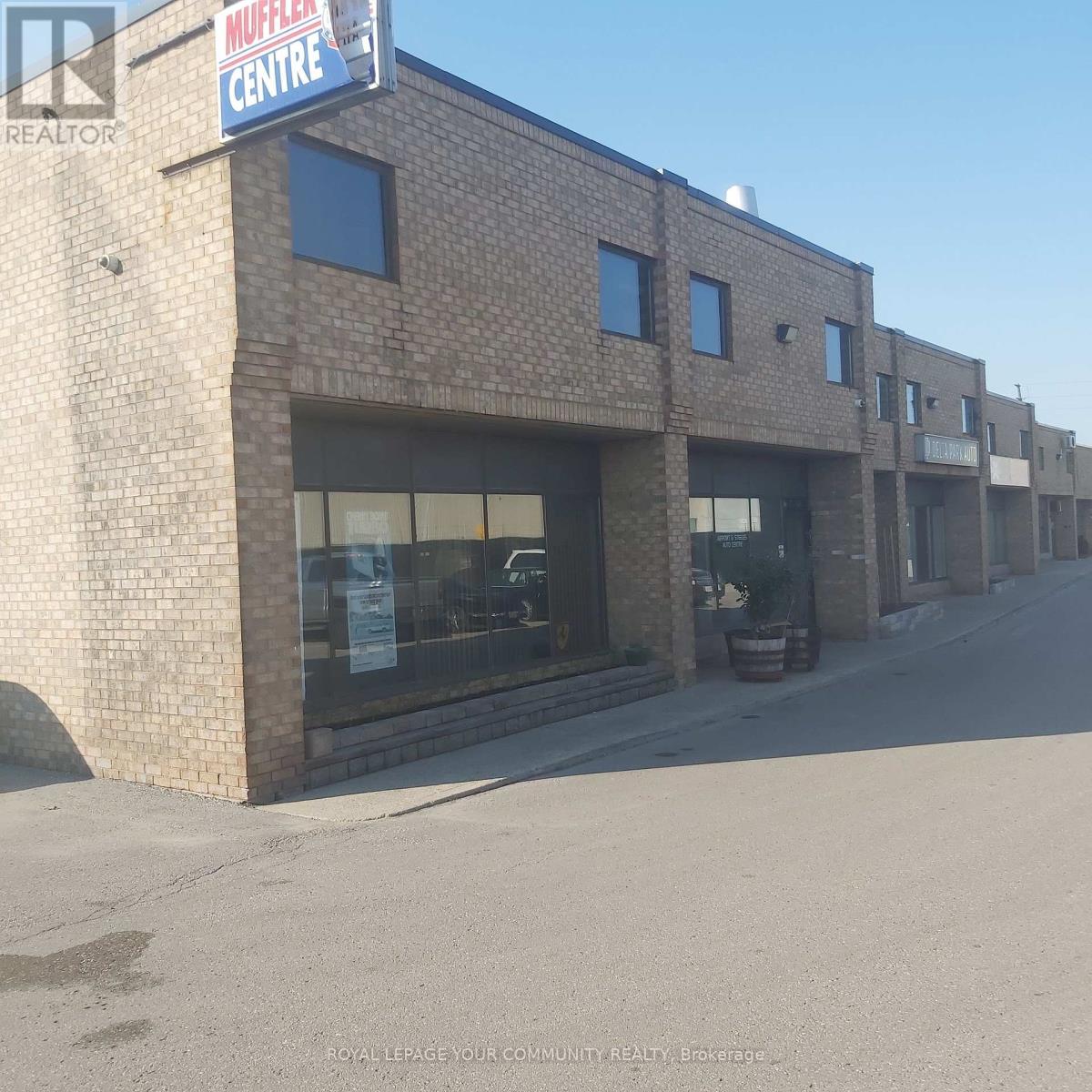
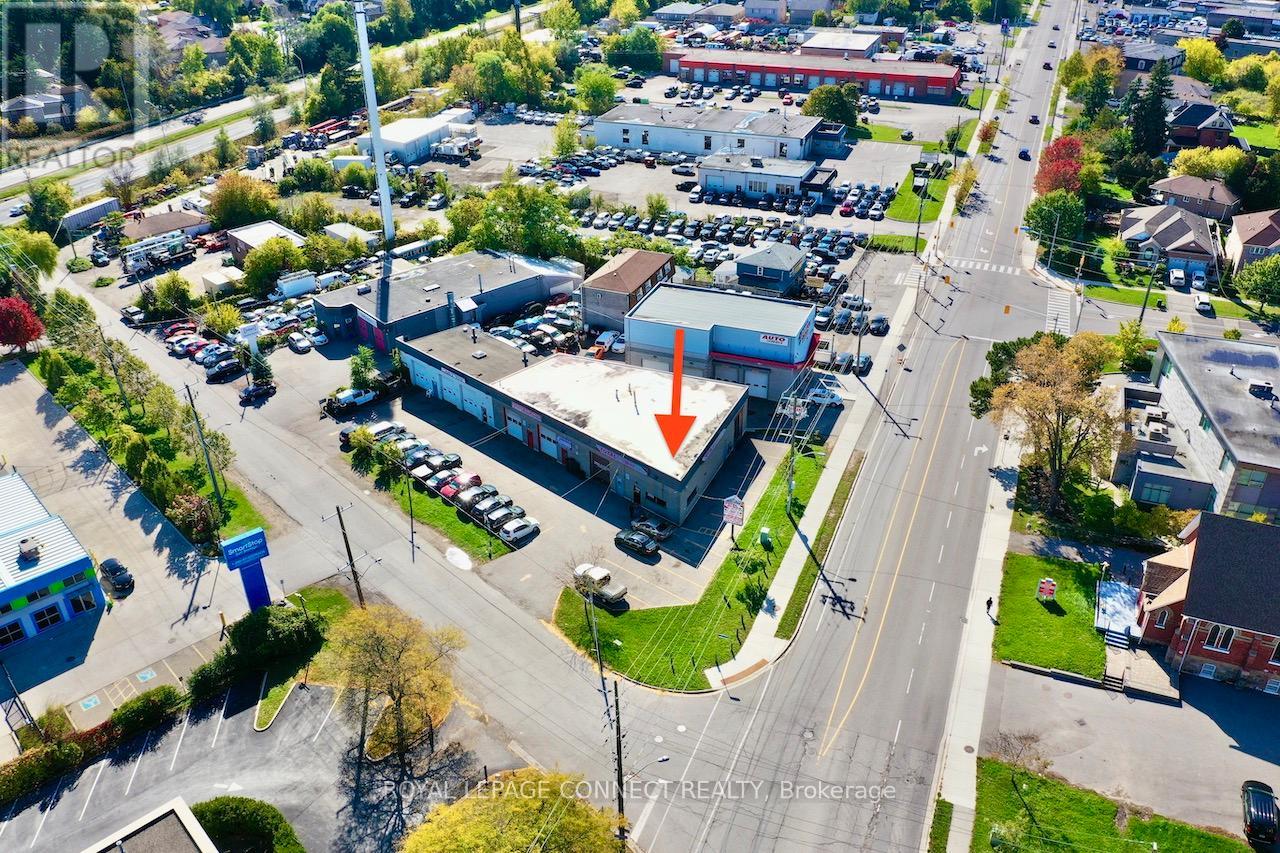
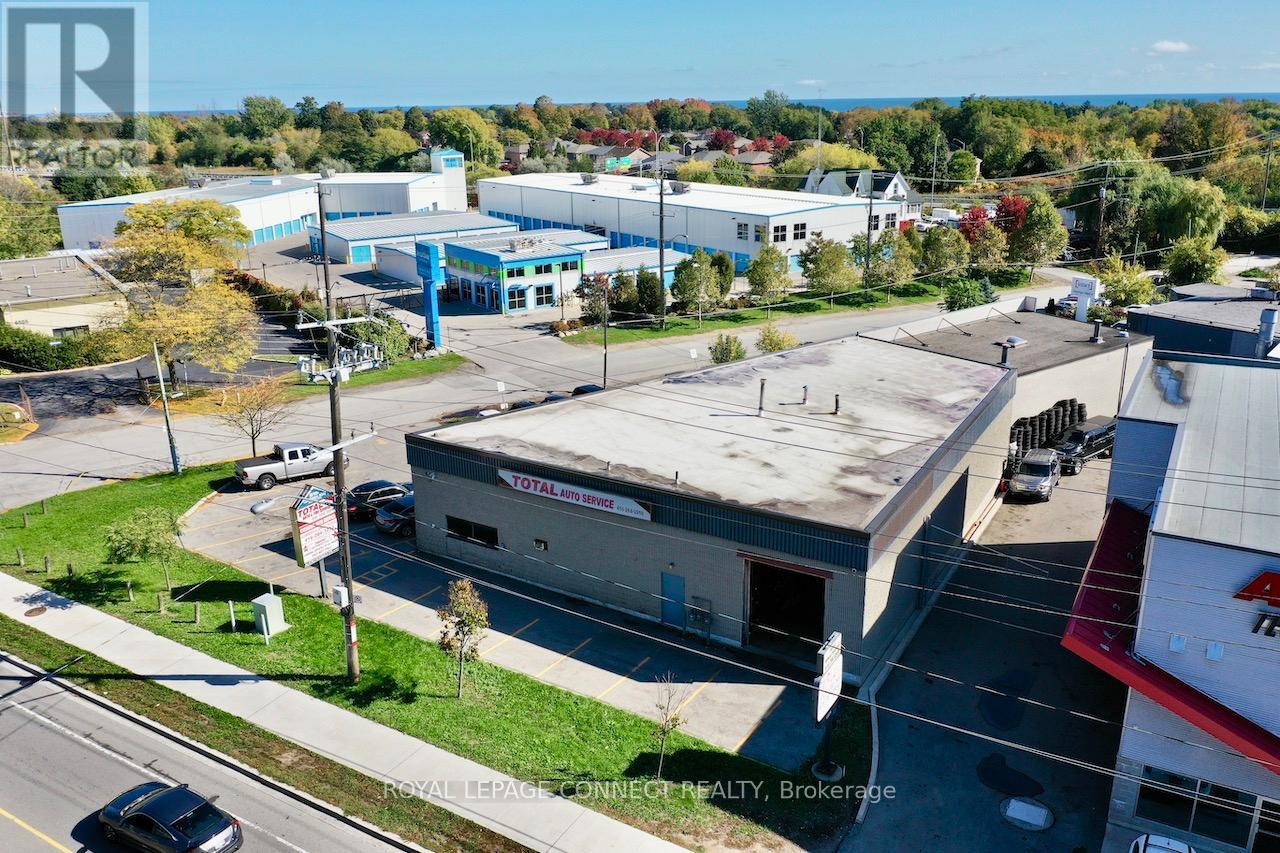
The average asking price for Auto Repair : $783,307
The most viewed Auto Repair listings on FBF are linked below:
| Business For Sale | Business For Sale | Business For Sale |
| Business For Sale | Business For Sale | Car Wash For Sale |
Investing in an automotive repair business for sale stands out as one of Canada's most resilient entrepreneurial opportunities in today's economic landscape. Industry growth trends indicate a 3.2% annual expansion, driven by the nation's increasing vehicle ownership rates and aging fleet demographics.
Your potential benefits include:
With strategic acquisition timing, you'll position yourself within a sector that maintains profitability even during downturns—where vehicles require maintenance regardless of consumer spending patterns. The industry is composed of 46,901 establishments in 2023, highlighting a vast field of opportunities for potential buyers to explore.
Every investment decision comes with its balance of advantages and drawbacks, and acquiring an auto repair business in Canada presents three significant considerations worth examining before proceeding. The competitive landscape and operational challenges will substantially impact your success trajectory.
By buying an existing auto repair business, you can take advantage of established customer relationships and a proven cash flow, which can provide financial stability from day one.
| Pros | Cons |
| Established customer base 🔧 | High equipment maintenance costs |
| Recurring revenue potential | Increasingly complex vehicle technology |
| Industry resilience during recessions | Intense competitive landscape |
| Tax advantages for business owners | Skilled technician shortage |
| Freedom to set your own schedule | Daily operational challenges |
Before diving into the Canadian auto repair marketplace, establishing clear acquisition criteria will serve as your strategic compass throughout the evaluation process. Define your non-negotiable business requirements and align them with customer preferences in your target market.
| Criteria Category | Key Considerations | Strategic Importance |
| Financial Parameters | Revenue threshold, profit margins, debt ratio | Guarantees financial viability and ROI potential |
| Operational Structure | Equipment age, technician certifications, software systems | Dictates immediate capital requirements |
| Market Position | Local competition, service specialization, reputation metrics | Determines growth trajectory and market advantage |
You'll save significant time and resources by filtering opportunities through these defined parameters, creating a focused acquisition strategy.
Most successful auto repair business acquisitions in Canada rely on a qualified team of professionals who understand the nuances of the Canadian business landscape. You'll need to assemble these experts early in your acquisition journey:
A business broker's customized search and screening process can save you time and ensure an efficient acquisition journey by narrowing down suitable auto repair business options. Each professional serves as a safeguard against potential pitfalls while maximizing your investment's long-term viability—essential protections for entrepreneurs seeking financial independence in the automotive aftermarket sector.
With your professional team assembled, understanding the competitive landscape becomes your next strategic priority. Analyze nearby auto repair businesses to identify their strengths and weaknesses. Examine their pricing structures, specializations, and customer demographics to position your business effectively in the market.
Study market trends like the shift toward hybrid/electric vehicle repairs or specialized diagnostics equipment. Map competitors' geographic distribution to identify underserved areas. Review their online reputation scores and response patterns to customer feedback.
Additionally, ensure that you take necessary general precautions when making repairs, such as using proper personal protective equipment and maintaining a well-ventilated work environment. This competitive intelligence helps you negotiate purchase terms based on market realities and develop your post-acquisition strategy to capture greater market share.
Once you've analyzed the competitive landscape, it's time to identify specific acquisition targets that align with your strategic vision and financial parameters.
Create a shortlist of potential shops using business listings, industry networks, and broker connections. When meeting sellers, inquire about their background and business history; understanding why they're selling often reveals critical insights
Prepare detailed questions about operations, clientele, and financials. You'll need to evaluate both tangible assets and intangible value drivers like reputation and staff expertise.
Schedule on-site visits during business hours to observe workflow dynamics and customer interactions firsthand—this reveals operational realities beyond spreadsheets.
This critical phase includes analyzing historical financial statements, reviewing the premises lease, inspecting asset lists, budgeting for acquisition costs, and obtaining a professional business valuation.
Your careful examination of these elements will offer critical perspectives on the business's true value and potential risks, helping you make an informed decision about proceeding with the acquisition.
When examining a potential acquisition of an auto repair business, thorough analysis of historical financial statements serves as the cornerstone of effective due diligence. You'll need to analyze historical revenue trends and profit margins to identify patterns that reveal the business's true health.
| Financial Metric | What to Look For |
| Gross Revenue | 3-5 year trends, seasonality |
| Profit Margins | Industry benchmarks (40-60%) |
| Labor Efficiency | Revenue per technician hour |
| Parts Markup | Consistency with industry standards |
| Owner's Salary | Hidden in expenses or distributions |
Don't accept financials at face value—dig deeper into expense categorizations and verify revenue against work orders.
It's also beneficial to stay informed about any recent changes in corporate tax rates, as these could impact your financial evaluations and future plans.
Examine the lease terms for duration, renewal options, and rent escalation clauses. Note any restrictions on business operations or signage that might impact your growth plans.
Verify whether the landlord's permission is required for business transfer, as this could derail your acquisition. A positive landlord relationship enhances operational stability, while a contentious one creates unnecessary friction.
Request documentation of all communications regarding property maintenance, repairs, or disputes to gauge this dynamic before committing.
Your detailed asset list review should categorize every piece of equipment by functionality, condition, and replacement cost. During inventory inspection, verify serial numbers against purchase records to confirm ownership status and identify any leased equipment that isn't included in the sale.
| Asset Category | Inspection Focus | Valuation Impact |
| Diagnostic Tools | Technology currency | Direct revenue generation |
| Lifts & Hoists | Safety certification | Operational capacity |
| Specialty Equipment | Brand/quality/age | Service offering breadth |
Don't overlook small tools; their cumulative value often exceeds $25,000 in well-equipped shops.
Successful entrepreneurs establish thorough financial frameworks before submitting acquisition offers, recognizing that purchase price represents just one component of total investment required.
When planning your auto repair acquisition budget, account for these critical expenses beyond the headline price:
Analyzing post-acquisition expenses within your budget constraints prevents cash flow emergencies during the shift period. This inclusive approach guarantees you maintain financial flexibility while implementing necessary operational improvements—fulfilling both your immediate business needs and long-term strategic vision.
Why would you consider purchasing an auto repair business without first ascertaining its objective market value? That's like driving blindfolded—dangerous and unnecessary.
For auto repair shops, valuations typically range between 3-4× EBITDA (earnings before interest, taxes, depreciation & amortization) multiples for mid-sized operations or 2-3× SDE (seller discretionary earnings) for smaller shops under $650K. Your broker should triangulate this figure using:
This three-pronged methodology guarantees you're not overpaying while accounting for industry-specific factors like location, customer retention rates, and diagnostic capabilities. Remember—valuation is both science and art.
When you're ready to formalize your intent to purchase an auto repair business, you'll need to decide between an asset sale or share sale, negotiate potential seller financing, verify all operational licenses, and establish a thorough transition plan.
Your offer should clearly outline whether you're purchasing just the business assets or the entire corporate entity, which carries significant tax and liability implications for both parties.
A well-structured LOI that addresses these elements while requesting the seller's assistance during the handover period will protect your interests and set the foundation for a seamless acquisition process.
As you approach the offer stage in acquiring an automotive businesses for sale, deciding between an asset sale or a share sale becomes a critical strategic decision that will impact your tax obligations, liability exposure, and long-term operational flexibility.
When evaluating your options, consider these key factors:
Your accountant and lawyer should analyze both scenarios to determine the best or most suitable structure for your situation.
Securing some partial seller financing through a well-crafted Conditional Offer to Purchase or Letter of Intent (LOI) often represents a strategic advantage in acquiring auto repair businesses.
When you request seller financing terms, aim for 20-30% of the purchase price, allowing you to reduce immediate capital requirements while demonstrating the seller's confidence in the business's viability.
This arrangement creates flexibility in your capital structure while potentially securing more favourable terms than traditional lenders offer. Structure repayment schedules aligned with projected revenue cycles to optimize cash flow management.
Before finalizing your acquisition strategy, conducting a thorough review of all operating licenses and permits represents a fundamental step that protects your investment from regulatory liabilities.
When you review the required business licenses and permits for your auto repair venture, you'll need to verify:
Missing permits can result in immediate shutdown orders or substantial fines, derailing your business before you've even commenced operations. Always engage a lawyer familiar with automotive business regulations.
Your purchase offer should incorporate an all-encompassing seller training and transition plan.
Smooth migration planning prevents revenue disruption while establishing your leadership. Specify a training period (typically 2-4 weeks) where the previous owner transfers critical operational knowledge, introduces key supplier relationships, and demonstrates specialized repair techniques.
Include thorough staff training provisions to guarantee your team maintains certification standards and technical proficiency with shop-specific equipment. Document all proprietary processes, customer management protocols, and inventory systems.
Detail post-sale consultation availability and clearly outline knowledge transfer expectations—ensuring you're fully equipped to maintain the business's reputation and technical capabilities.
Your plan should demonstrate thorough market analysis and financial projections that justify your investment to potential financing sources.
Include these essential components:
This document isn't just for lenders—it's your roadmap to freedom and entrepreneurial success.
The final stages of acquiring an auto repair business involve maneuvering three critical phases that transform your careful planning into actual ownership.
First, negotiate terms with precision—secure favourable purchase conditions, shift timelines, and non-compete clauses. You're not just buying assets; you're purchasing future freedom and revenue streams.
Second, finalize paperwork meticulously. Engage specialized legal counsel to review all contracts, ensuring regulatory compliance with Canadian automotive industry standards. This prevents costly oversights that could derail your entrepreneurial journey.
Finally, execute the closing process. Transfer funds and formally take possession of licenses, equipment, and client databases. Your preparation culminates in this moment—where strategy meets opportunity.
You're now equipped with a roadmap to purchasing an auto repair business in Canada! By following these critical steps—from defining acquisition criteria to maneuvering regulations—you'll avoid the catastrophic pitfalls that doom 70% of business buyers.
Your dream of owning a profitable repair shop isn't just possible; it's practically inevitable with proper preparation. Remember: thorough due diligence today creates automotive empire opportunities tomorrow!
You'll need to comply with federal, provincial, and municipal regulations to operate legally while maintaining your entrepreneurial freedom.
| Regulatory Area | Governing Body | Key Requirements |
| Environmental | Environment Canada | Waste disposal protocols, emissions standards |
| Licensing | Provincial Authorities | Business license, specialized certifications |
| Employment | Labour Ministry | Worker safety, wage standards |
| Consumer Protection | Consumer Affairs | Service transparency, warranty compliance |
Don't overlook compliance costs when calculating your business valuation—proper certification isn't just legally mandatory; it's essential for marketplace credibility.
Before diving into acquiring a Canadian auto repair business, successful entrepreneurs arm themselves with industry-specific information resources that provide essential market intelligence, technical updates, and business benchmarks.
When researching industry outlook and evaluating market trends, you'll find these resources invaluable:
You'll gain a competitive advantage by regularly consulting these sources, allowing you to identify undervalued businesses with growth potential while anticipating regulatory shifts that could impact profitability.
A: Determine your auto repair business's worth by examining asset valuation, analyzing past performance, and creating realistic revenue projections. You'll break free from uncertainty when you understand the shop's true value.
A: You'll need to check provincial licensing regulations for mechanics, as each has unique apprenticeship requirements. Ontario requires 310S certification, while Red Seal certification offers mobility across Canada's diverse regulatory landscape.
A: To find a well-established auto body shop for sale in Calgary, you should start by searching online business marketplaces and working with a business broker who specializes in automotive service businesses. Industry-specific websites often list shops for sale in Calgary and surrounding areas.
Networking with industry professionals and joining automotive associations can also provide insider information about repair facilities that may be available before they're publicly listed.
A: When purchasing a truck repair business, evaluate several key factors: the shop's financial records showing consistent profitability, the quality of existing equipment, reputation among customers, lease terms if the property isn't included, and any specialized certifications for diesel repair facility operations. Investigate whether the business offers additional services like parts sales or engine repair.
A: Automotive repair facilities in Ontario can be excellent investments due to the province's dense population and high vehicle ownership rates. The market for auto repair in Ontario remains strong, with well-established shops typically delivering reliable returns. Look for a thriving auto repair business with diversified service offerings that include both mechanical repair and auto body work.
A: When evaluating an auto repair business for sale in BC, thoroughly review at least 3 years of financial statements to verify revenue claims and profit margins. Assess the condition of diagnostic equipment, lifts, and other essential tools. Investigate the shop's reputation by checking online reviews and speaking with existing customers if possible. Understand the terms of any existing property lease or purchase opportunity. Verify all permits and licensing requirements specific to provincial regulations.
Additionally, consider the business opportunity's growth potential based on location demographics and local competition. A comprehensive due diligence process should also include reviewing employee contracts and supplier relationships.
A: Location is critical when purchasing an automotive repair shop, as it impacts visibility, accessibility, and growth potential. A shop in a prime location with high traffic visibility typically attracts more walk-in customers and commands higher service rates.
Consider proximity to complementary businesses, such as auto parts stores or car dealerships. Urban locations generally provide larger customer bases but come with higher operating costs and purchase prices. For specialized repair shops focusing on specific makes or services, the demographic profile of the surrounding area matters significantly.
A: Financing options for purchasing a well-established automotive business for sale include traditional bank loans; BDC loans, which often feature lower down payments; seller financing, where the previous owner finances part of the purchase; equipment financing specifically for the shop's assets; and vendor financing.

Data is supplied by CREA who is the owner of the copyright in its MLS®System. Data provided is deemed reliable but is not guaranteed accurate by CREA. The trademarks MLS®, Multiple Listing Service® and the associated logos are owned by The Canadian Real Estate Association (CREA) and identify the quality of services provided by real estate professionals who are members of CREA. Used under license.